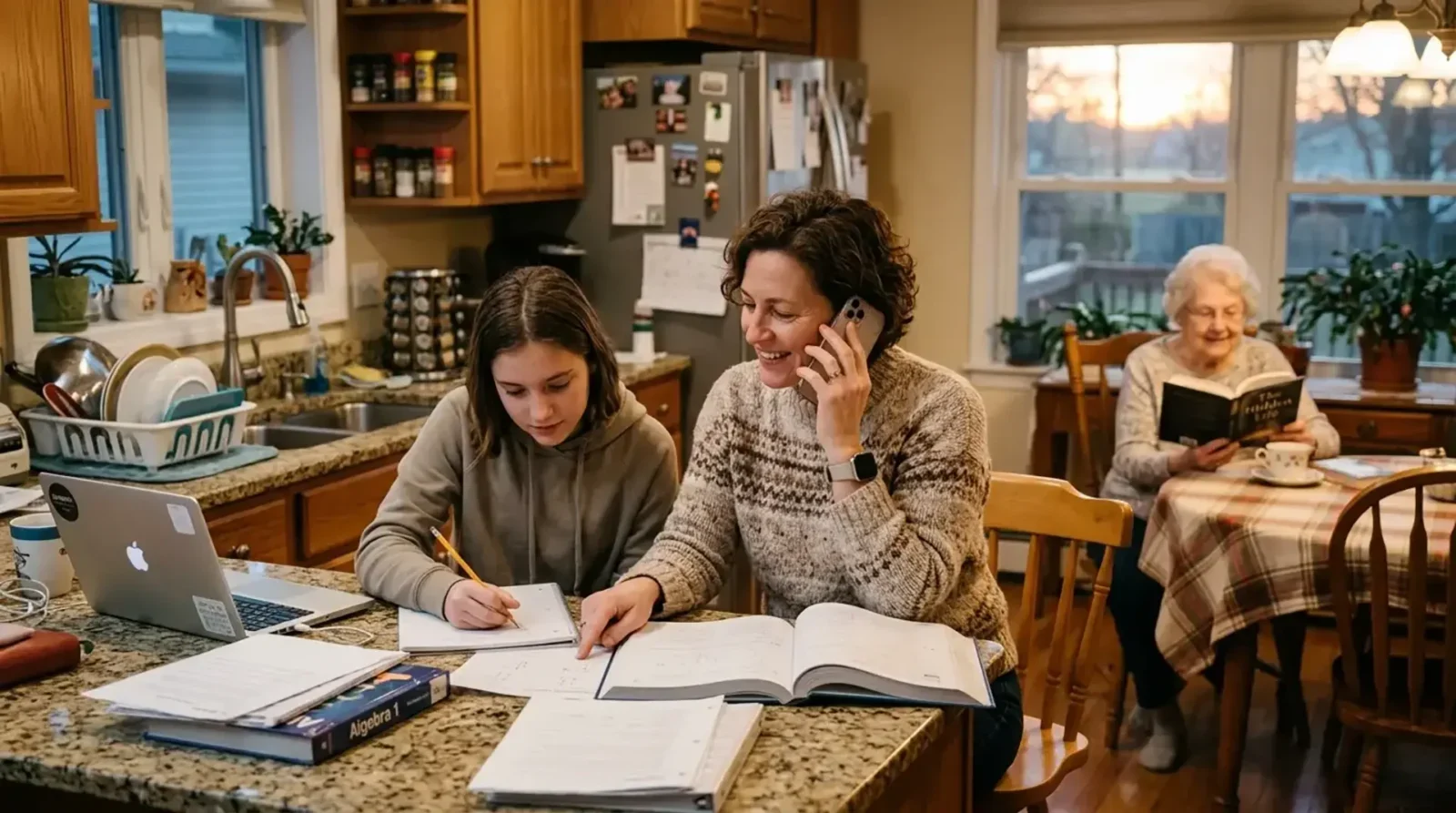
There is a particular kind of tired that comes from being needed in two directions at once. You spend the morning getting kids out the door, the lunch hour on the phone with your mother’s doctor, and the evening split between homework help and worrying about whether Dad should still be driving. If that sounds like your life, you are part of what researchers call the sandwich generation: adults caring for their own children while also supporting aging parents.
It is more common than it has ever been. People are having children later, parents are living longer, and the two seasons of caregiving that used to happen one after the other now happen at the same time. If you are in it, the first thing to know is that the strain you feel is structural, not a personal failing.
Why It Feels the Way It Feels
Sandwich generation caregivers are pulled by three competing loads. There is the practical load: two sets of schedules, appointments, and logistics. There is the financial load: raising children is expensive, care for a parent can be too, and both often land during peak career years. And there is the emotional load, which is the heaviest and least visible: the guilt of never feeling fully present anywhere, grief at watching a parent change, and the sense that your own needs went to the bottom of the list a long time ago.
Naming these separately matters, because they have different fixes. You cannot solve an emotional load with a better calendar, and you cannot solve a logistics problem by feeling guilty about it.
Share the Load, Even Imperfectly
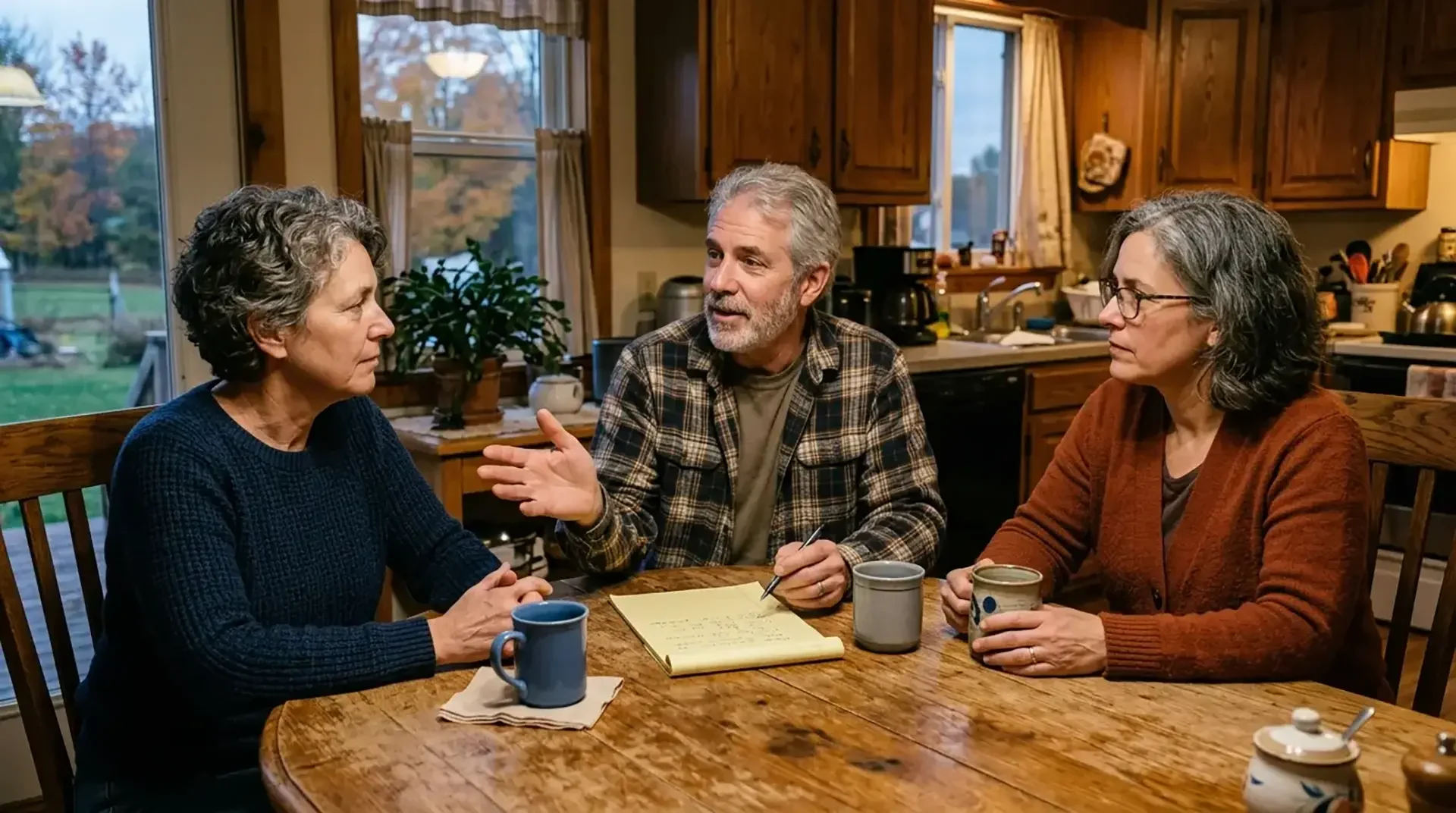
The single biggest predictor of burnout is carrying everything alone. Sharing the load rarely means someone takes half. It means lots of people take pieces:
- Siblings can own specific lanes: one handles finances, another handles medical appointments, even from a distance
- Spouses and older kids can pick up more at home than we usually ask of them
- Friends and neighbors are often glad to help with rides or check-ins if the ask is small and specific
- Paid help, even a few hours a week, buys back the hours that matter most
Accept help in whatever form it comes. Partial help is not failure. Partial help is the system working.
Protect a Little Time That Is Yours
This advice gets dismissed as a luxury, so here is the practical version: you are the load-bearing wall of two households. Maintenance of the wall is not indulgence. Protect something small and non-negotiable, a walk, a class, coffee with a friend, and treat it with the same seriousness as a doctor’s appointment. Caregivers who keep one protected corner of their week last years longer than those who do not.
Watch for the Signs You Are Past Your Limit
Stress is expected. These signs mean the load has crossed into something that needs action: constant exhaustion that sleep does not fix, irritability with the very people you are caring for, withdrawing from things you enjoy, your own health slipping, or a marriage and friendships running on fumes. When the day to day is consistently more than the family can carry, that is the signal to bring in outside help, not to push harder.
What Outside Help Actually Looks Like
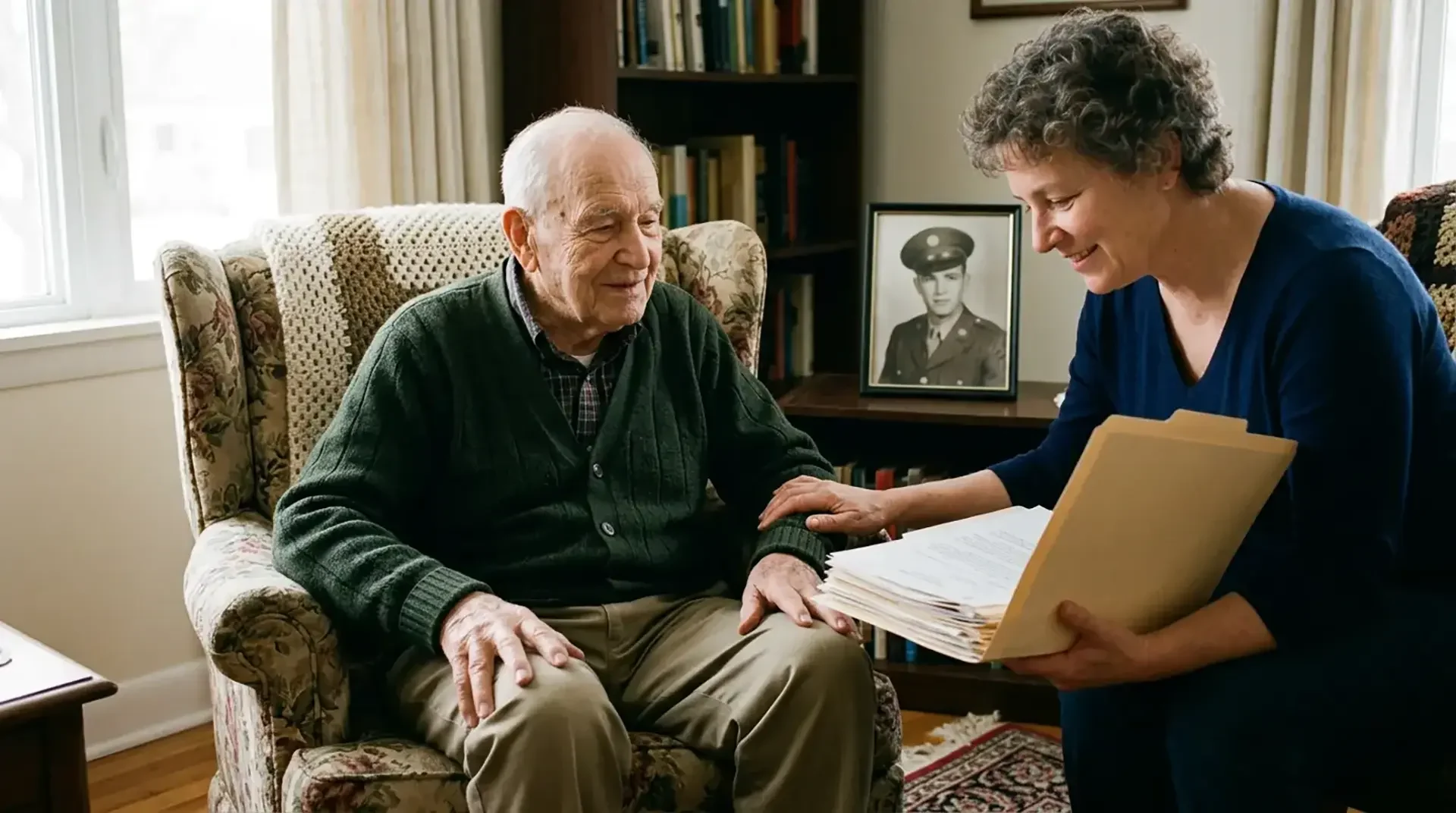
For many Central New York families, the turning point is realizing that coordination itself is a job, and it is a job you can hand off. A care manager can take over the medical scheduling, the phone calls, the paperwork chasing, and the monitoring between visits, and can spot problems before they become crises. Families often tell us the relief is not just the hours saved. It is having a professional watching the whole picture so that you can go back to being a daughter or son instead of a case manager.
Outside help is not a failure; it is what makes caregiving sustainable. If your parents are in the Rochester area, our Aging Well Rochester team can play the same role there.
You Are Allowed to Be in the Middle
Being in the sandwich years means you are holding up two generations because you love them both. That is worth saying plainly, because the people in the middle rarely hear it. Get the load shared, get the coordination handled, and keep a corner of your life for yourself. All three are allowed.
Frequently Asked Questions
What is the sandwich generation?
Adults who are caring for their own children while also supporting an aging parent. It is increasingly common as people have children later and parents live longer.
How do I manage the stress without burning out?
Share responsibilities where you can, protect a little time for yourself, and accept help in whatever form it comes. Even partial help, like rides or a few hours of respite, makes a difference.
When should we bring in outside help?
When the day to day is consistently more than the family can carry, or when your own health and relationships are suffering. Outside help is not a failure; it is what makes caregiving sustainable.
You Are Not Meant to Do All of It
If you are stretched between generations, you are not meant to do all of it yourself. We can take some of the coordination off your plate. Reach out to the Reflections team at 315-497-7200 or reflectionscny.com .