
For most families, the biggest barrier to calling a care manager is not cost or time. It is the unknown. What actually happens after the call? Will someone try to sell us something? Will Mom feel ambushed? Will we lose control of decisions we want to make ourselves?
Fair questions, all of them. So here is the honest walk-through of what the first thirty days actually look like, so you can decide with your eyes open.
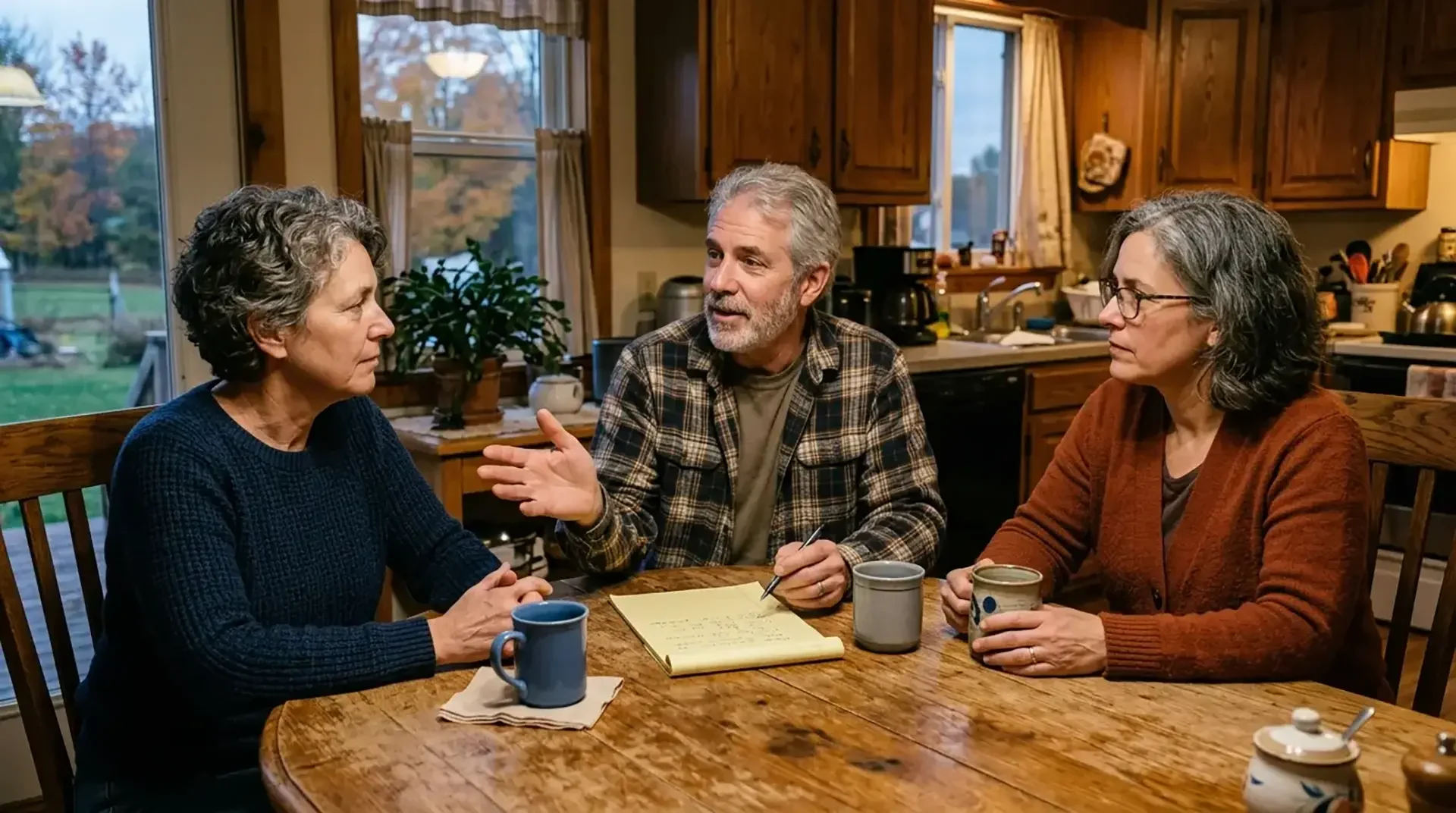
The First Call: We Listen
The first conversation is exactly that, a conversation. You tell us what is going on: what you are seeing, what worries you, what has already been tried. We ask questions, help you understand the options, and are honest about whether care management is even the right fit. Sometimes it is not, and we will say so and point you somewhere better.
There is no pressure and no obligation. Nobody should hire help they do not understand, and this call is where the understanding starts.
Week One: The Assessment
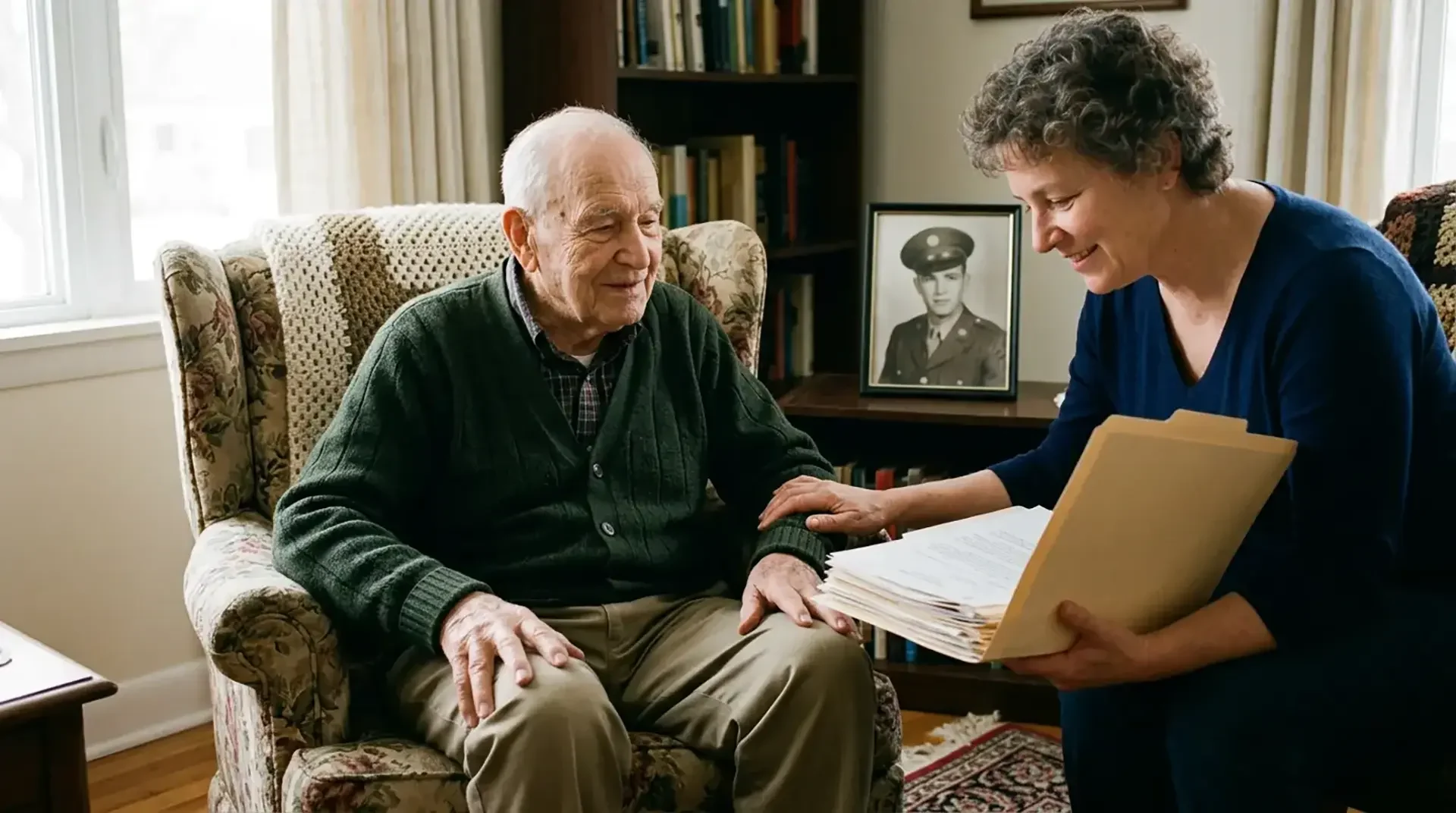
If you decide to move forward, the real work begins with an assessment, usually a home visit. A care manager sits down with your loved one (and family, as appropriate) and looks at the whole picture, not just the presenting problem:
- Health: conditions, medications, providers, recent changes
- Daily life: meals, mobility, personal care, how the days actually go
- The home: safety, accessibility, what would make staying there easier
- The support circle: who is involved, who could be, where the gaps are
- Wishes: what your loved one wants, which anchors everything else
Two things families consistently notice about this visit. First, older adults often open up to a care manager in ways they will not with their own children, because there is no baggage in the room. Second, the assessment usually surfaces at least one thing nobody had spotted, a medication conflict, a fall risk, an unclaimed benefit.
Weeks Two and Three: The Plan Takes Shape
From the assessment comes a written care plan, and this is where vague worry turns into a concrete path. A good plan is specific: what support is needed, who provides it, what it costs, and what order to do things in. It might include coordinating with doctors, arranging in-home help, home safety changes, organizing documents, or setting up bill-pay support.
You review it, push back on it, and shape it. The plan is a proposal, not a prescription. You and your loved one stay the decision-makers; the care manager’s job is to make sure you are deciding among real, well-understood options.
Week Four: The Plan Starts Working
By the end of the first month, the pieces begin moving: services scheduled, providers talking to each other, appointments coordinated, and a professional keeping an eye on how it is all landing. You get a clear picture and a partner, and most families describe the same feeling at this point: the weight is finally being shared.
From there, care management flexes to what you need. Some families want ongoing coordination and monitoring. Others take the plan and run it themselves, checking back in when things change.
Do We Have to Commit Long-Term? No.
This is worth stating plainly, because it is the quiet fear behind many first calls. Many families start with just an assessment, or a single concern, like getting through a hospital discharge or solving the medication chaos, and decide from there. Care management is useful precisely because it meets you where you are, at whatever depth you actually need.
The Honest Summary
The first thirty days are about replacing fog with a picture: a professional assessment, a concrete plan, and the beginning of coordinated support, with your family in charge the whole way. If your loved one is in the Rochester area rather than Central New York, our Aging Well Rochester team walks families through the very same first month there.
Frequently Asked Questions
What happens on the first call?
We listen. You describe what is going on, and we help you understand the options and where to start. There is no pressure and no obligation.
What does a care manager actually do in the first month?
Assess the situation, coordinate with doctors and services, and build a practical care plan tailored to your family. You get a clear picture and a partner.
Do we have to commit to a long-term arrangement?
No. Many families start with an assessment or a single concern and decide from there.
The First Step Is Just a Conversation
If the unknown is the hardest part, a first conversation is the simplest way to make it concrete. Reach out to the Reflections team at 315-497-7200 or send us a message .