
There is a gap in senior care that almost nobody names. On one side is medical care: nurses, therapies, prescriptions. On the other side is everything else, and everything else is most of life. The groceries. The ride to the eye doctor. The overflowing closet that needs sorting. The afternoon that would be better with company in it.
Most older adults who struggle do not struggle medically first. They struggle with everything else. And “everything else” is exactly what a non-medical concierge service exists to handle.
So What Does It Actually Include?
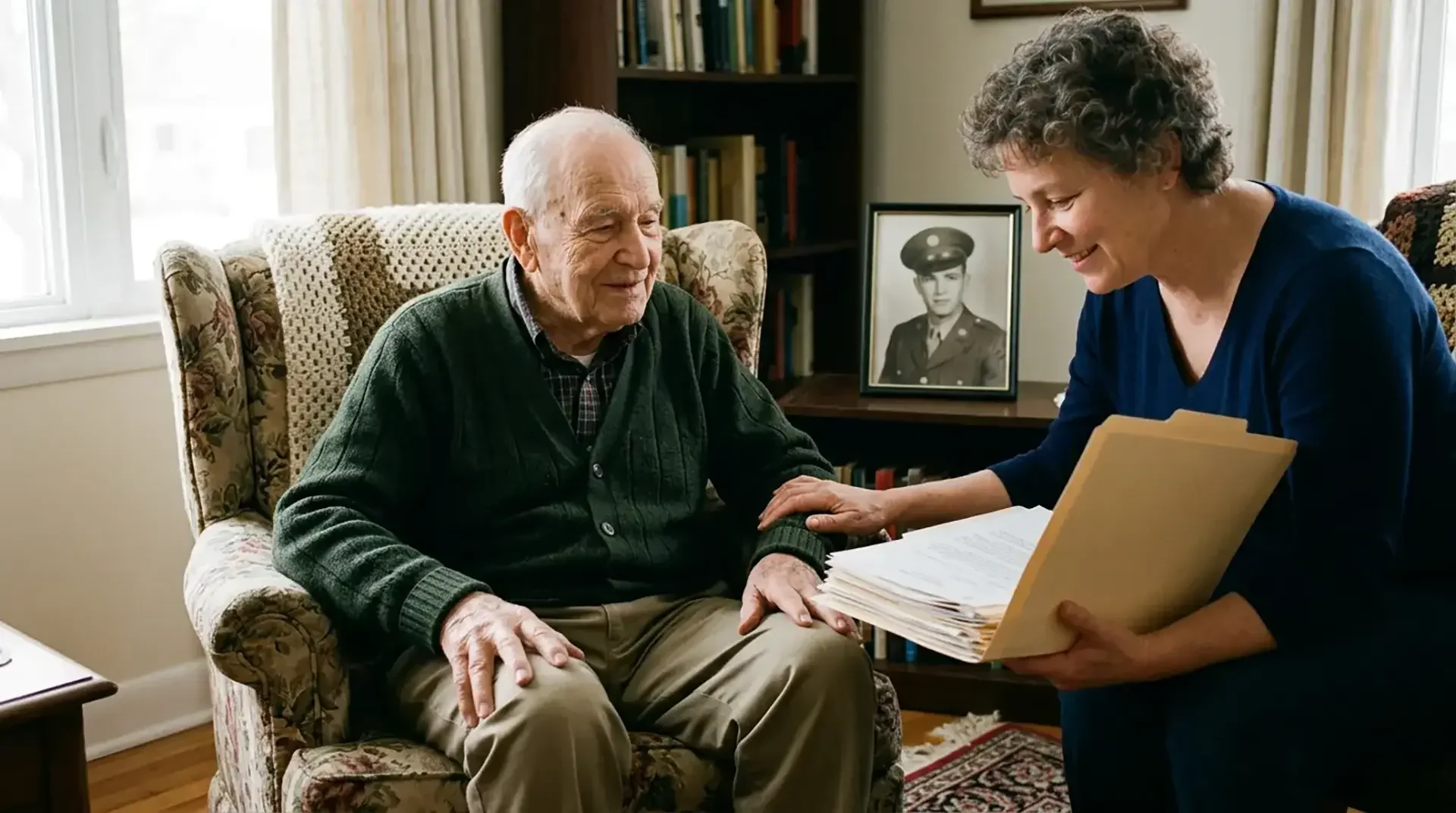
Think of it as a reliable, professional extra pair of hands for daily life. At Reflections, our non-medical concierge support covers the practical fabric of the week:
- Errands and shopping: groceries, pharmacy runs, returns, the post office
- Transportation and accompaniment: rides to appointments, and just as valuably, company inside the appointment, a second set of ears for what the doctor said
- Household organization: mail and paperwork triage, decluttering, seasonal swaps, getting the house ready for visitors or for winter
- Meal support: shopping for and setting up easy meals, or preparing something simple together
- Technology help: the video call with the grandchildren, the new phone, the TV remote that “broke” again
- Companionship: a walk, a card game, a coffee, a presence. Loneliness is not a small problem in older age; it is one of the big ones
- The miscellaneous: waiting for the repair person, taking the car for an oil change, wrapping holiday gifts, walking the dog after a hip surgery
If it is part of daily life and does not require a medical license, it is probably on the list.
Who This Is For
The classic picture is an older adult who is fundamentally independent, no nurse needed, no daily personal care, but for whom certain tasks have quietly become hard, risky, or just heavy. Driving at dusk. Carrying the groceries up the steps. Keeping the paperwork straight.
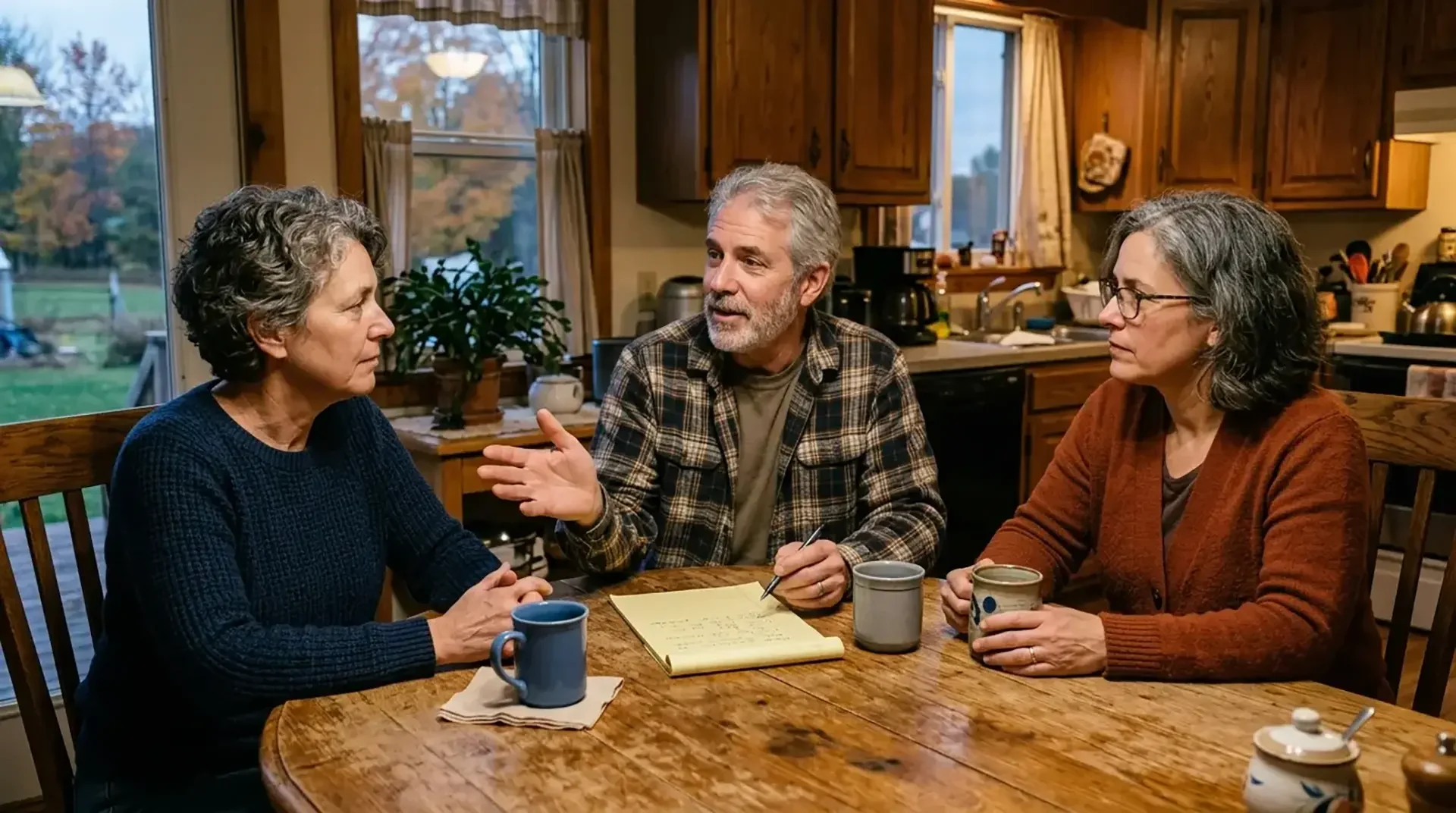
It is equally for the family: the daughter who works full time and cannot make every appointment, the son two states away who needs someone dependable on the ground, the spouse who does most of it but needs the load lightened.
And, quietly, it is often the perfect first step for the parent who refuses “help.” Because this does not look like help in the loaded sense. Nobody is bathing anyone. It is a friendly, capable person who handles errands, and that is an easy yes. Then something we see constantly happens: the concierge visit becomes the trusted relationship, and the trusted relationship becomes the doorway through which more support can eventually arrive, welcomed instead of resisted.
How It Differs From Home Health Care
The distinction is simple: home health care is clinical, nurses and aides providing medical and personal care, often physician-ordered. Concierge support is non-medical and practical, the tasks of living rather than the tasks of care.
They are not competitors; many families use both, the aide for the morning routine and the concierge for the errands, appointments, and afternoons. And plenty of families need only the concierge layer for years, which is rather the point: the right help at the right dose, no more medicalized than life actually requires.
Why It Matters More Than It Sounds
Here is the quiet truth about independence: it rarely ends in one dramatic moment. It erodes through logistics. The appointments missed for lack of a ride become health problems. The unopened mail becomes a lapsed insurance policy. The empty afternoons become isolation, and isolation becomes decline.
Handle the logistics and you protect the independence. That is what this service really is: not luxury, but maintenance of a self-directed life. Reliable help with the everyday is frequently what makes staying at home work for years longer.
Getting Started
At Reflections, concierge support is shaped around the person: a few hours weekly, help around specific events like a surgery recovery or a family trip, or a steady standing arrangement. It also pairs naturally with our care management, so if needs ever grow, the people and the plan are already in place. Rochester-area families can arrange the same through our Aging Well Rochester team.
Frequently Asked Questions
What does a non-medical concierge service include?
Everyday support like errands, transportation to appointments, organization, and companionship. It is the practical help that does not require a nurse but makes daily life work.
Who is it for?
Older adults who are largely independent but could use a reliable hand with the day to day, and families who cannot always be there. It is also a gentle first step into support.
How is it different from home health care?
Home health is clinical care; concierge support is non-medical and practical. Many families use both.
Reliable Help With the Everyday
Sometimes the help that matters most is simply having someone reliable for the everyday. We are glad to be that for your family. Reach out to the Reflections team at 315-497-7200 or send us a message.