
The moments that are hardest for families aren't usually the crises. Crises are terrible, but they create clarity. Something has happened. A decision must be made. You act.
The hardest moments are the ones in between. The stretches where nothing dramatic has happened, but something feels different. Where you can't quite articulate what's wrong, but you can feel that the current arrangement isn't quite right anymore. Where you know you should probably do something, but you're not sure what, and you're not sure it's urgent enough to justify the disruption.
These uncertain moments are where families get stuck. And staying stuck, waiting for something definitive to happen before taking action, is one of the costliest patterns in senior care.
Why Uncertainty Is So Paralyzing
Uncertainty removes the one thing that makes action feel justified: a clear reason. When a parent falls and breaks a hip, the path forward is obvious, even if it's hard. When a parent seems slightly more confused than last month, or slightly less steady on their feet, or slightly less engaged with the world, there's no obvious path at all.
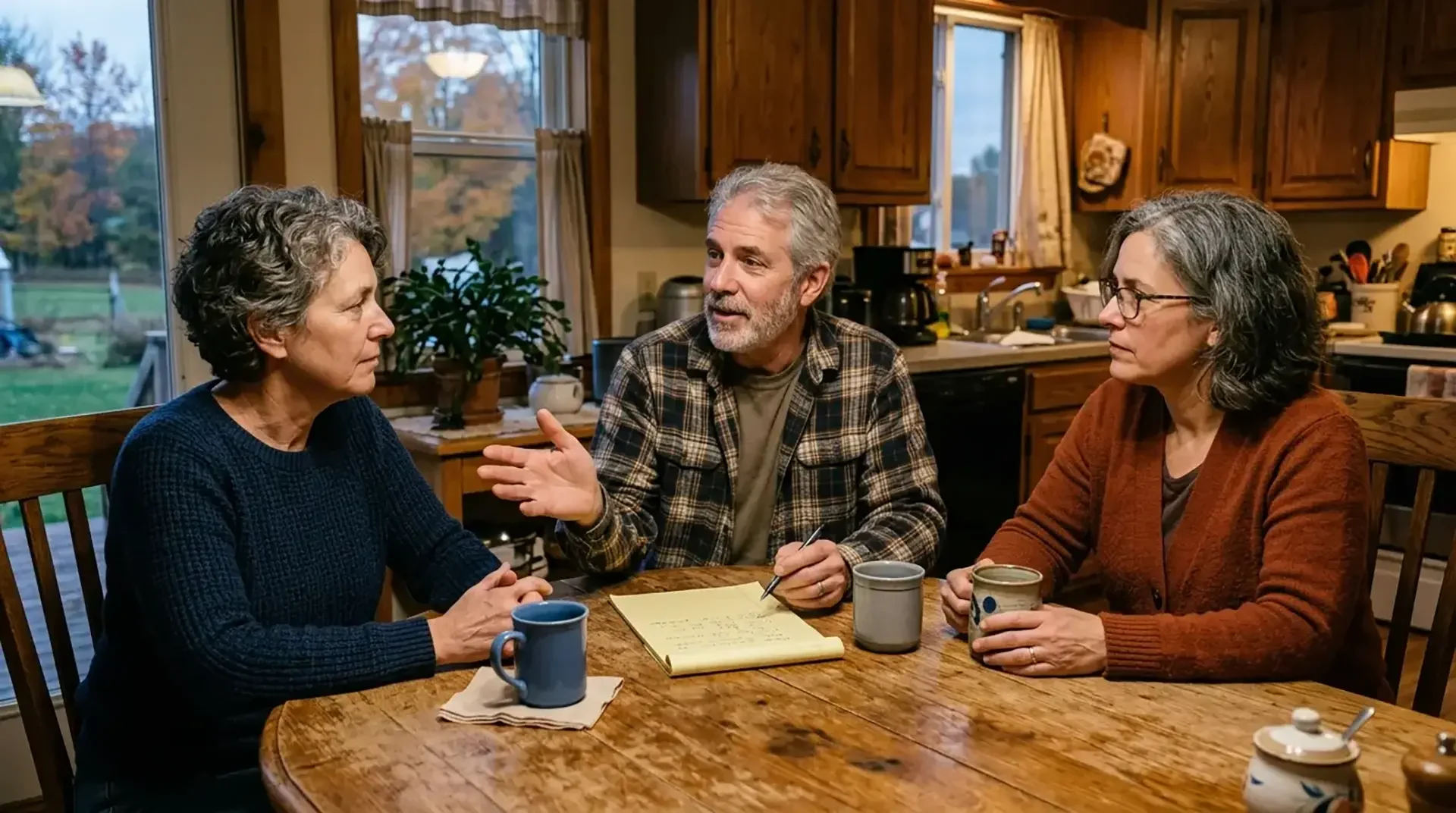
And so families wait. They tell themselves they're monitoring the situation. They check in a little more often. They have quiet conversations with siblings that end with "let's keep an eye on it." They google things at midnight and close the browser without taking action.
This isn't indecision. It's a perfectly rational response to insufficient information. The problem is that in aging, the information you're waiting for often arrives in the form of a crisis, and by then, your options have narrowed considerably.
Related reading: Understanding the True Cost of Waiting Too Long
The Myth of "Not Bad Enough"
One of the most common things families tell us is: "I don't think it's bad enough to need help yet." As if there's a threshold of severity that must be crossed before reaching out for support is warranted.
There isn't one. The whole point of proactive care management is to engage before things are "bad enough." Before the fall. Before the hospitalization. Before the family is in crisis mode and making decisions under pressure.
Reaching out when you're uncertain is not overreacting. It's exactly the right time. Because a professional who has seen hundreds of these situations can often look at what you're seeing and tell you, with some confidence, what it's likely to mean and what the reasonable next steps are.
That clarity alone is worth the conversation.
What Moving Forward Looks Like
Moving forward during uncertain moments doesn't require dramatic action. It usually looks like small, reversible steps that give you more information and more options without committing to anything permanent.
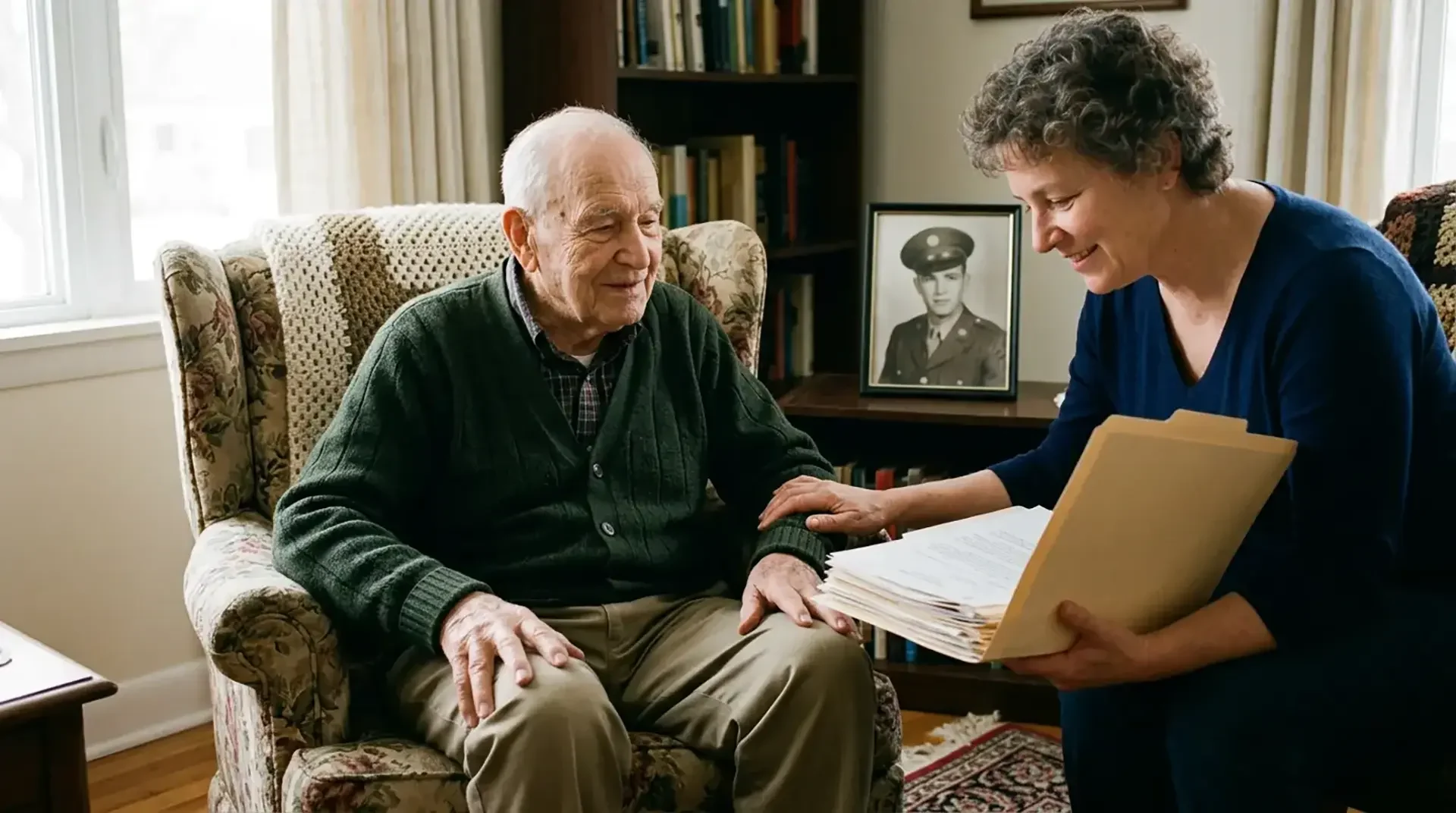
Get a professional assessment. A care manager can evaluate your loved one's situation objectively, looking at physical safety, cognitive function, daily living, social engagement, and medical management. This isn't a commitment to a care plan. It's information gathering, and it's one of the most valuable things a family can do during an uncertain stretch.
Try a short-term arrangement. If you're wondering whether your parent needs a caregiver, start with a trial. A few weeks of companion care, a few hours a week, is enough to learn a lot about what's needed without committing to a long-term arrangement. Many families discover that a small amount of support resolves a surprising amount of worry.
Have one conversation. Not the big, comprehensive "what's the plan" conversation. Just one focused conversation about one specific concern. "Mom, I noticed the fridge was pretty empty last time I visited. What's going on with meals?" One question, asked with genuine curiosity rather than judgment, can open a door.
Start documenting. Write down what you're observing, with dates and specifics. This serves two purposes: it helps you see patterns you might miss otherwise, and it gives you something concrete to share with a professional if you decide to seek an assessment.
Related reading: Early Warning Signs Families Often Miss
You Don't Need a Crisis to Call
This might be the most important thing in this entire series: you do not need to be in crisis to reach out for help. In fact, the families who have the best outcomes are the ones who reach out when things feel uncertain, not when things have already fallen apart.
At Reflections Management and Care, some of our most meaningful work happens during these in-between moments. A family calls and says, "We're not sure if we need you yet, but we're starting to wonder." That conversation, that initial assessment, that first step toward having a framework in place, is often the thing that makes everything that comes later manageable.
We've spent the last several months writing about the patterns we see, the challenges families face, and the strategies that make the biggest difference. If there's a single thread that runs through all of it, it's this: start before you feel ready. Act before you're certain. And trust that taking an imperfect step forward is always better than standing still.
We're here for the uncertain moments. Reach out anytime.
If your uncertain moment involves wondering whether your parent needs someone in the home, Reflections Home Care Registry can help you explore the options without pressure. A conversation is a good place to start.