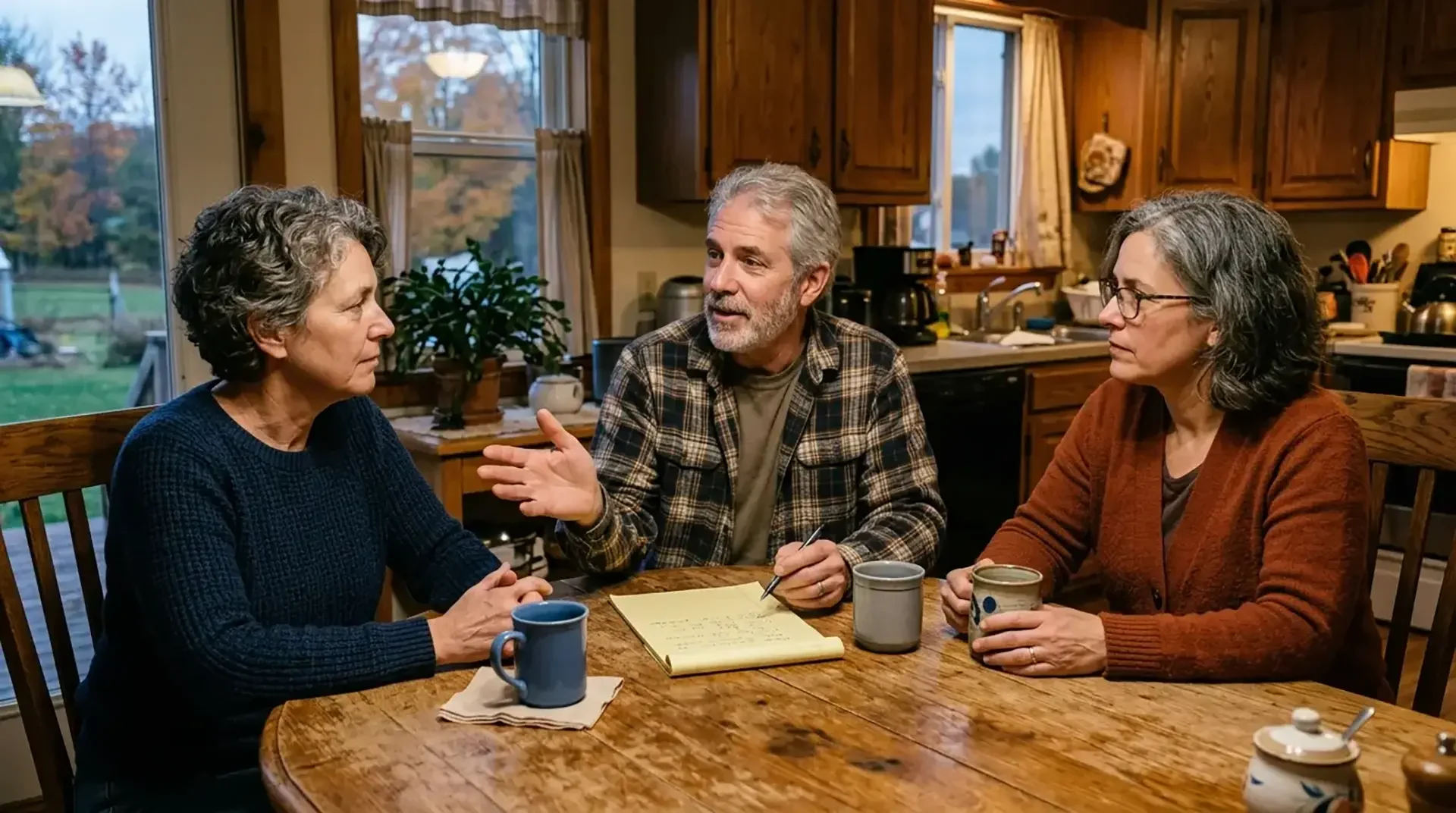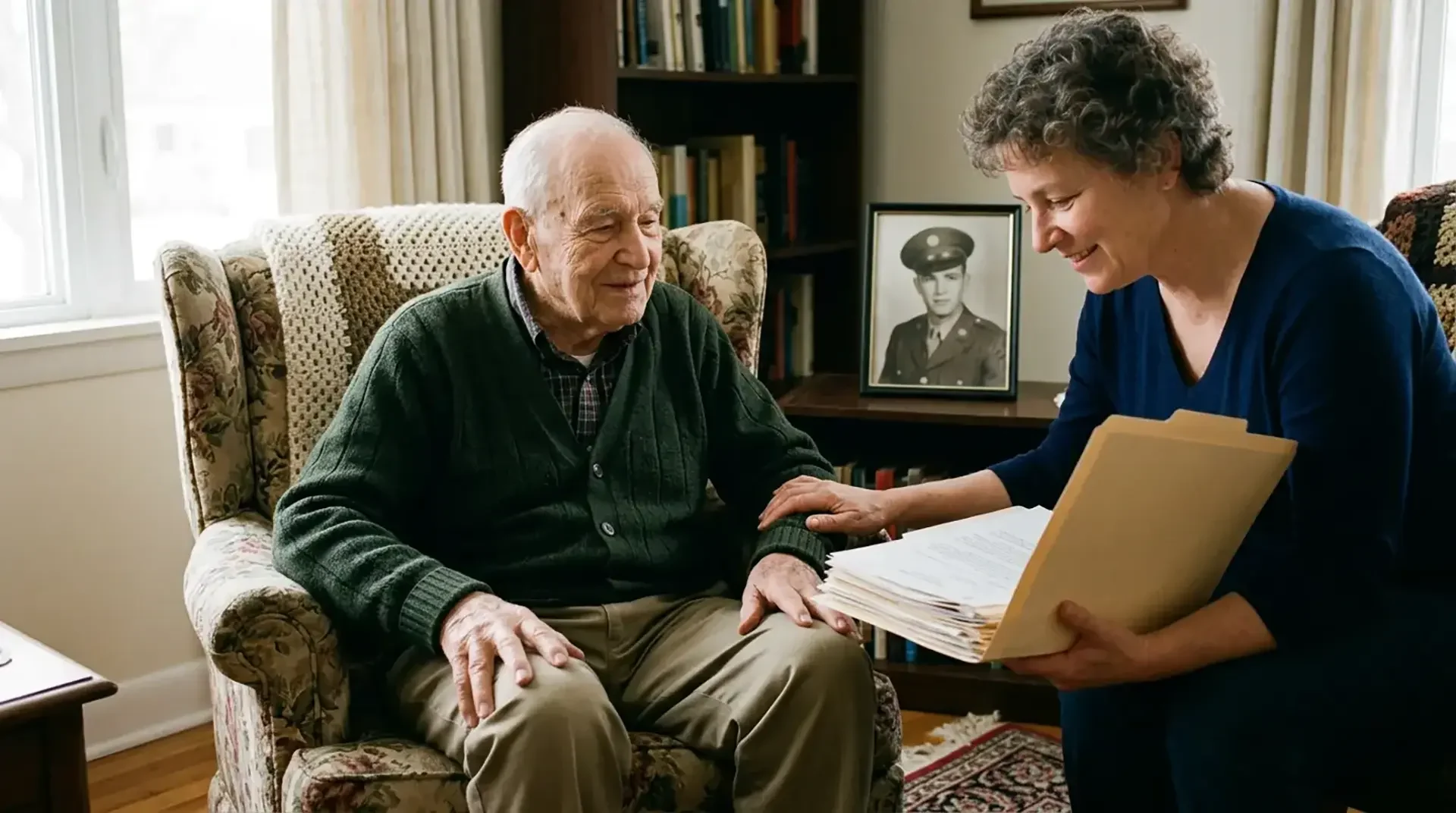

There's a pattern we see over and over in our work with families. Someone calls us after a crisis, a fall, a hospitalization, a sudden decline, and in the first conversation, almost without exception, they say some version of this: "We knew something was off for a while. We just didn't know what to do."
That gap between knowing and acting is where the real cost lives. Not because families are negligent, but because the system doesn't make it easy to act early, and because the human tendency is to hope things will stay stable a little longer.
But waiting has consequences. And they're more significant than most families realize.
The Financial Cost
This is the most measurable impact, and it's substantial. Families who plan ahead have access to a wider range of options, many of them more affordable than the emergency alternatives they end up using when a crisis hits.
A few hours of home care per week, started proactively, costs a fraction of what a hospital readmission or an emergency placement in a facility costs. A care manager who catches a medication error early prevents a hospitalization. A home safety assessment that leads to grab bars and better lighting prevents the fall that leads to a broken hip, surgery, and months of rehabilitation.
The pattern is consistent: early investment in planning and support costs less than reactive crisis management. Every time.
The Options that Disappear
When families act proactively, they have choices. They can research different care options, interview multiple caregivers, visit facilities if that's the direction things are heading, and make decisions that align with their loved one's preferences and values.
When a crisis forces the timeline, those choices shrink dramatically. The family takes whatever's available, often a facility with an opening rather than the one they would have chosen, or a caregiver who can start tomorrow rather than the one who would have been the best fit.
For families who haven't put legal documents in place, a crisis can create even more limited options. Without a healthcare proxy, medical decisions may be delayed or disputed. Without power of attorney, financial management becomes complicated. These documents take an afternoon to prepare under normal circumstances. In a crisis, they may require legal proceedings that take weeks.
Related reading: Planning Ahead vs. Crisis Decision-Making in Aging
The Emotional Cost
This is the cost that's hardest to quantify but often the most lasting. Families who make decisions under crisis conditions carry guilt and second-guessing for years.
"Did we choose the right place?" "Should we have tried harder to keep him at home?" "If we'd started looking into this six months ago, would things have been different?"
These questions don't have satisfying answers. And the regret they carry doesn't fade easily. Families who plan ahead don't avoid difficult emotions entirely, but they move forward with the confidence that comes from having made intentional, informed decisions rather than reactive ones.
The Impact on Family Relationships
Crisis-driven caregiving decisions are a common source of family conflict. When there's no plan in place, siblings disagree about what should happen. One person ends up shouldering most of the burden. Resentment builds. Old family dynamics resurface under pressure.
Families who have had the conversations early, who've agreed on roles and preferences and priorities before they're needed, navigate these situations with far less friction. Not because the decisions are easier, but because the foundation for making them together was already in place.
Related reading: The Emotional Side of Caregiving Families Don't Expect
The Physical Cost to the Caregiver
When families wait too long to get help, the person who fills the gap is usually the primary family caregiver. They take on more and more, often without realizing how much they've absorbed, until their own health starts to suffer.
We've seen family caregivers develop chronic back problems from lifting a parent without proper equipment. We've seen them postpone their own medical care for months. We've seen the stress manifest as insomnia, high blood pressure, and depression.
The caregiver's health is part of the care equation. When it breaks down, the entire arrangement collapses.
Related reading: The Hidden Strain on Family Caregivers
What "Acting Early" Actually Looks Like
Acting early doesn't mean overhauling everything right now. It means taking small, deliberate steps that create a foundation for when things do change.
Have the conversation. Talk to your parent about their preferences. Talk to your siblings about responsibilities. Talk to a care manager about what options exist.
Get the documents in place. Healthcare proxy, power of attorney, a basic understanding of the financial picture. These take an afternoon and provide years of protection.
Build relationships before you need them. Establish a connection with a care manager, a home care registry, a trusted advisor. When the time comes, you'll be able to move quickly and confidently.
Address the small stuff. A home safety walk-through. A medication review. A conversation with the primary care doctor about what to watch for. These are low-effort, high-impact steps that pay for themselves many times over.
At Reflections Management and Care, we help families in Central New York take these early steps. We sit down with you, assess where things stand, and build a flexible framework that gives everyone room to breathe when circumstances change.
The best time to start was six months ago. The second best time is today. Reach out to our team.
When the time comes for in-home support, having an established relationship with Reflections Home Care Registry means you can move quickly and confidently to find the right caregiver.