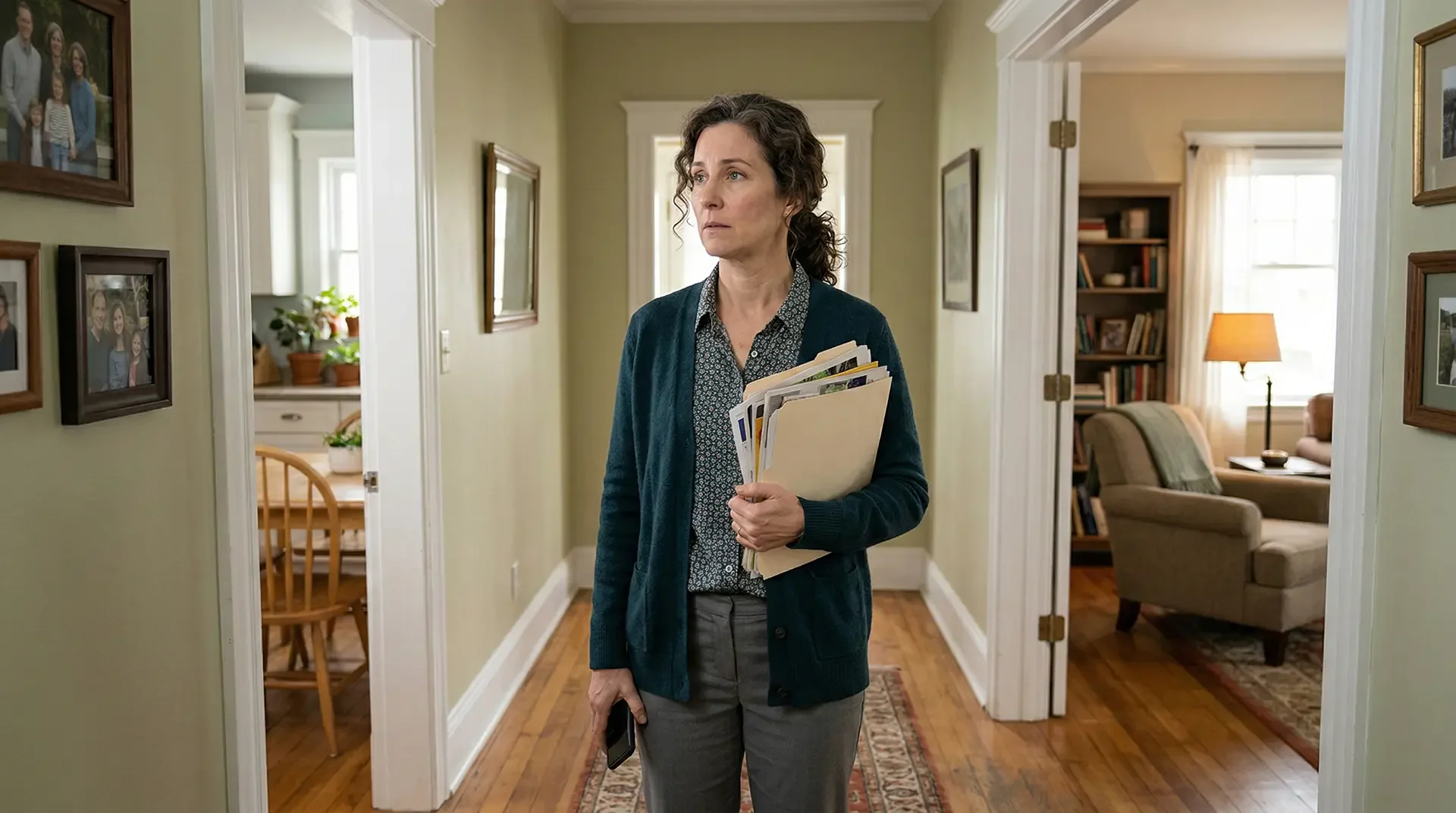
There's a specific kind of overwhelm that hits families during a care transition. It doesn't feel like regular stress. It feels like standing in the middle of a highway with traffic coming from every direction, and nobody told you which lane to be in.
A parent gets discharged from the hospital. Or a caregiver quits. Or a doctor says the current arrangement isn't working anymore. Or Mom had a fall and suddenly the plan that was holding everything together isn't enough.
These moments don't happen one at a time. They stack. And the emotional weight of making decisions that will shape your parent's daily life, while you're already stretched thin, creates a kind of paralysis that's hard to describe to anyone who hasn't been through it.
It's Not Just the Decision. It's Everything Around It.
The decision itself, whether to increase care hours, move to a different setting, bring in a new provider, is often the simplest part. What makes it overwhelming is everything that surrounds it.
The logistics. Who do you call? What's available? How fast can you arrange it? What does insurance cover? What will it cost out of pocket?
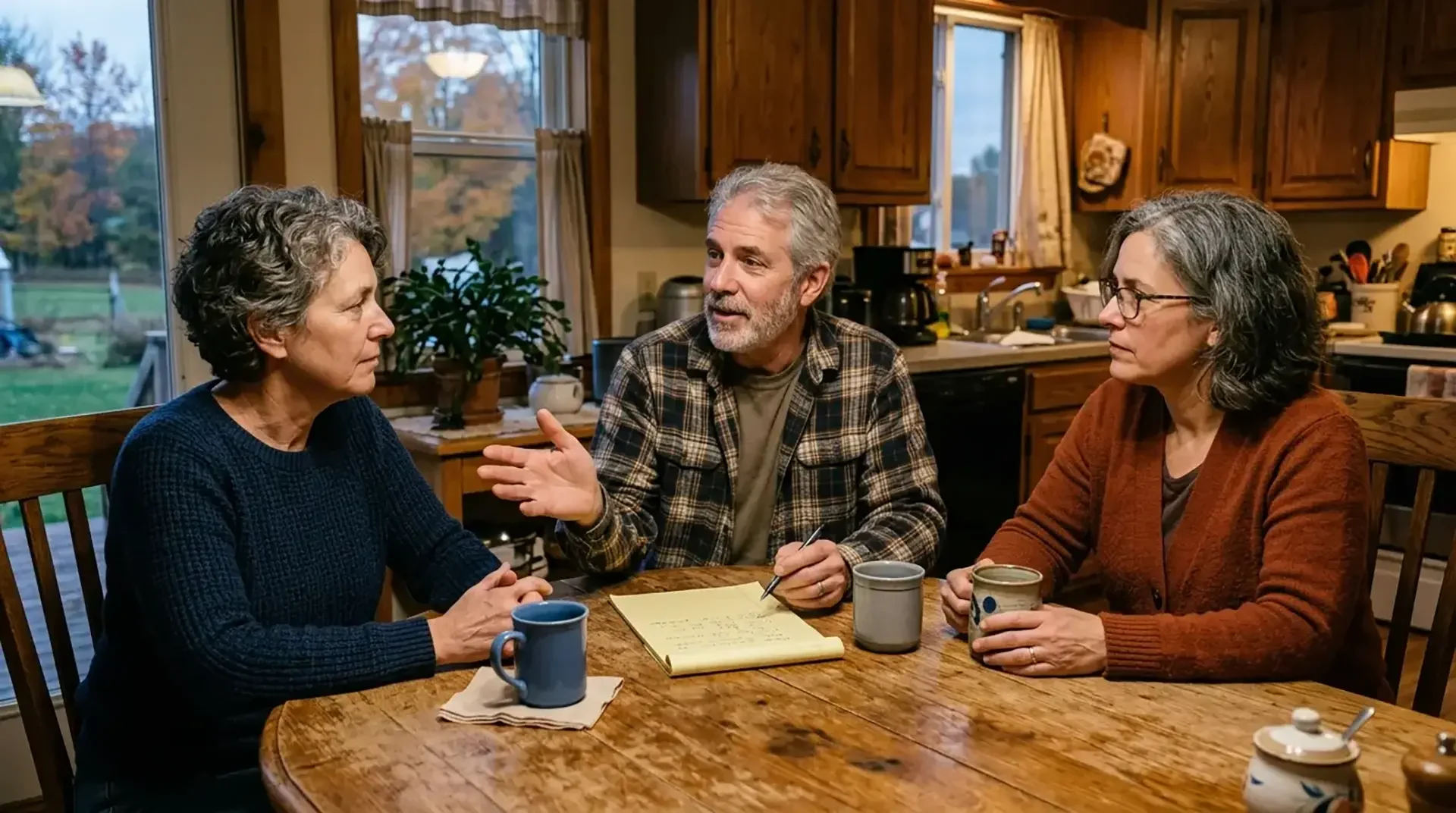
The family dynamics. Your brother thinks Mom should move to assisted living. Your sister thinks she should stay home with more help. Mom insists she's fine and doesn't want to talk about it. Everyone has opinions, and nobody agrees.
The emotions. You're grieving the decline you're witnessing. You're guilty about the limitations of what you can do. You're scared of making the wrong choice. And you're exhausted from managing everything that got you to this point.
All of this hits at the same time. That's why it's overwhelming. Not because any single piece is unmanageable, but because they arrive simultaneously and demand immediate attention.
Related reading: The Emotional Side of Caregiving Families Don't Expect
The Information Gap Makes It Worse
Most families don't navigate the senior care system until they're in the middle of a transition. And the system is not intuitive. The terminology is confusing. The options are hard to compare. The quality of information available online varies wildly. And the people who could help, care managers, social workers, experienced advisors, aren't always easy to find when you need them most.
This means families are often learning the system and making critical decisions at the same time. That's like trying to read the manual while the plane is already in the air.
Related reading: Planning Ahead vs. Crisis Decision-Making in Aging
What Actually Helps
Slow down if you can. Not every decision needs to be made today. If there's any flexibility in the timeline, use it. A few extra days of deliberation can lead to a much better outcome than a rushed decision made under pressure.
Separate the decisions. When everything feels urgent, it helps to break the situation into individual questions. What needs to happen this week? What can wait until next week? What's a long-term question that doesn't need an answer right now? Triaging the decisions makes each one more manageable.
Designate a point person. If multiple family members are involved, trying to make decisions by committee in real time is a recipe for conflict and delay. Agree on one person who will gather information, present options, and coordinate. Others can weigh in, but one person drives.
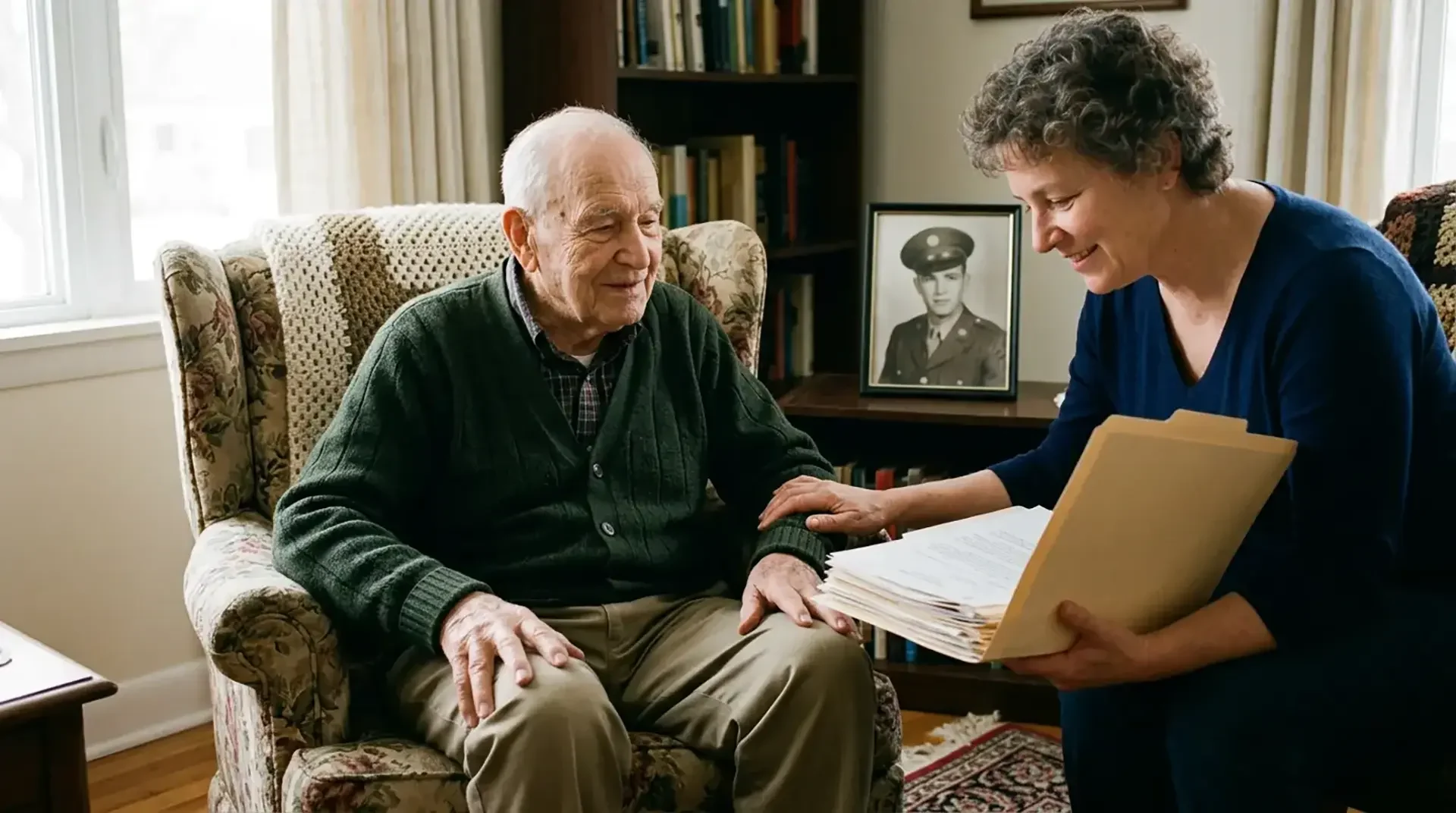
Get professional guidance. This is exactly what care managers are for. Not to make decisions for you, but to help you understand your options, organize the logistics, and navigate the system so you can focus on what matters: your loved one's wellbeing and your family's peace of mind.
Accept imperfection. There is rarely a perfect option. There is usually a good-enough option that can be refined over time. Families who accept this make decisions faster and with less regret than those searching for an ideal that doesn't exist.
You're Not Supposed to Know How to Do This
There's an unspoken expectation that families should be able to figure this out on their own. That somehow, managing a complex care transition is something competent adults should instinctively know how to handle.
That expectation is unreasonable. The senior care system is complicated, fragmented, and poorly designed for the people who need to navigate it. Feeling overwhelmed doesn't mean you're failing. It means you're dealing with something genuinely difficult, and you deserve support.
At Reflections Management and Care, we walk alongside families through these exact moments. We've helped hundreds of families in Central New York navigate care transitions, and the most consistent feedback we get is simple: "I wish I'd called you sooner."
If you're in the middle of a transition right now, or if you can feel one coming, reach out. You don't have to figure this out alone.
If your transition involves arranging in-home care, Reflections Home Care Registry can help you find the right caregiver quickly so one piece of the puzzle is handled.