
If there's one sentence we hear more often than any other, it's this: "I wish we had done this sooner."
It usually comes after a hospitalization, a fall, a sudden decline, some kind of event that forced the family to make major decisions in a matter of days. Decisions about where Mom will live. Who will provide care. How to pay for it. What the long-term plan looks like.
These are difficult decisions under the best circumstances. Under pressure, with limited time and high emotions, they become exponentially harder.
The difference between families who navigate these transitions smoothly and those who don't almost always comes down to one thing: whether they planned before the crisis or after it.
What Crisis Decision-Making Looks Like
When a crisis hits, families are operating with limited information, limited time, and limited emotional bandwidth. The hospital says your parent will be discharged in two days. You need to figure out whether they can go home, whether the home is safe, whether someone can be there to help, and what happens next.
You're making phone calls from a hospital waiting room. You're Googling services you've never heard of. You're arguing with siblings about the right approach because nobody agreed on a plan beforehand.
The decisions made in this window are often the most expensive and least ideal. Families end up in arrangements that don't fit because they were the only option available on short notice. They overpay for services because there wasn't time to compare. They miss programs or resources they would have qualified for if someone had done the research earlier.
What Planning Ahead Looks Like
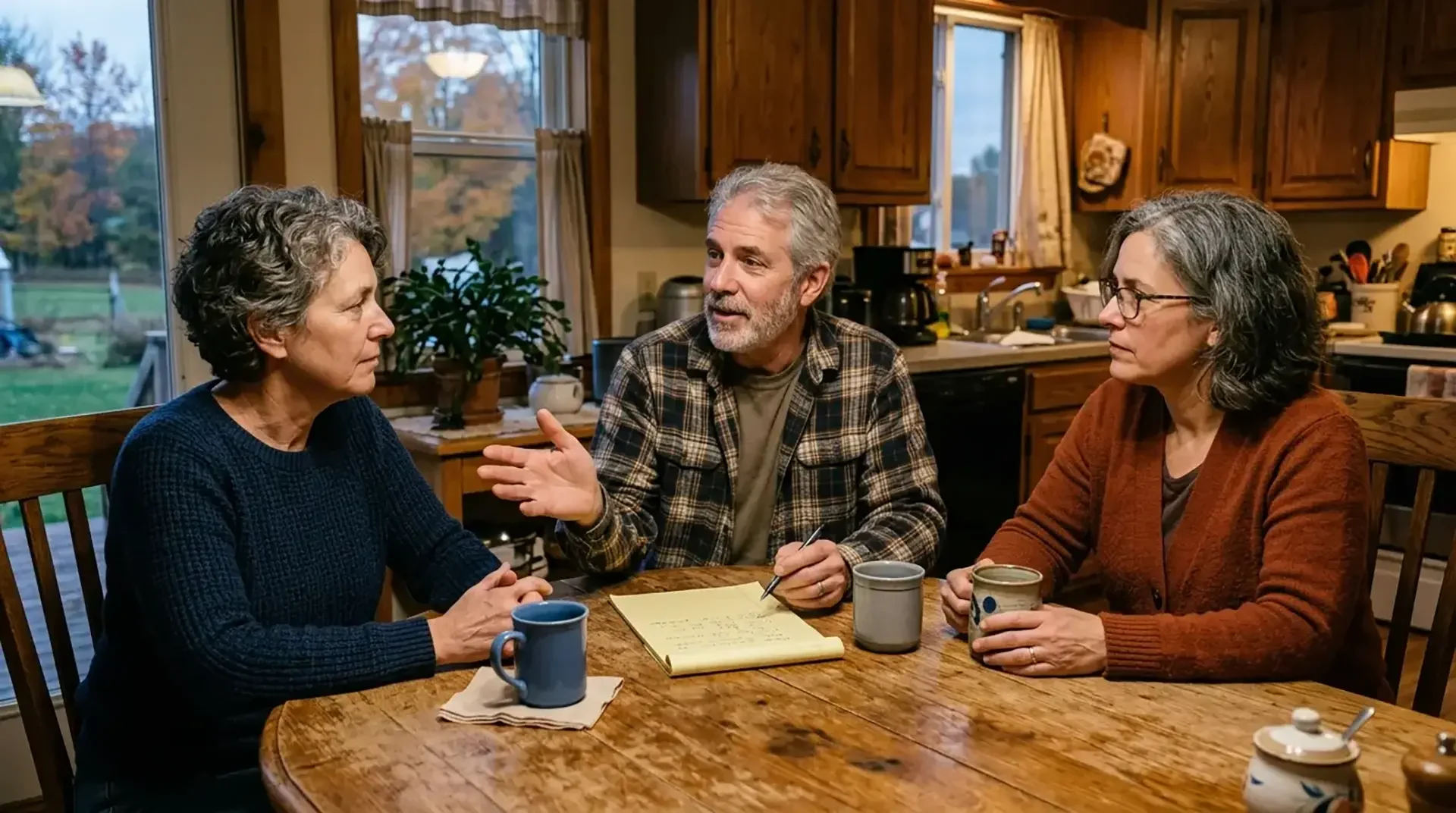
Planning ahead doesn't mean having every detail figured out. It means having a framework, a shared understanding within the family about preferences, priorities, and practical realities, so that when something does happen, you're not starting from zero.
Knowing your loved one's wishes. Where do they want to live if they can't stay in their current home? What kind of care would they be comfortable with? Who do they want involved in decisions? Having these conversations while everyone is healthy and clear-headed is infinitely easier than trying to have them in a crisis.
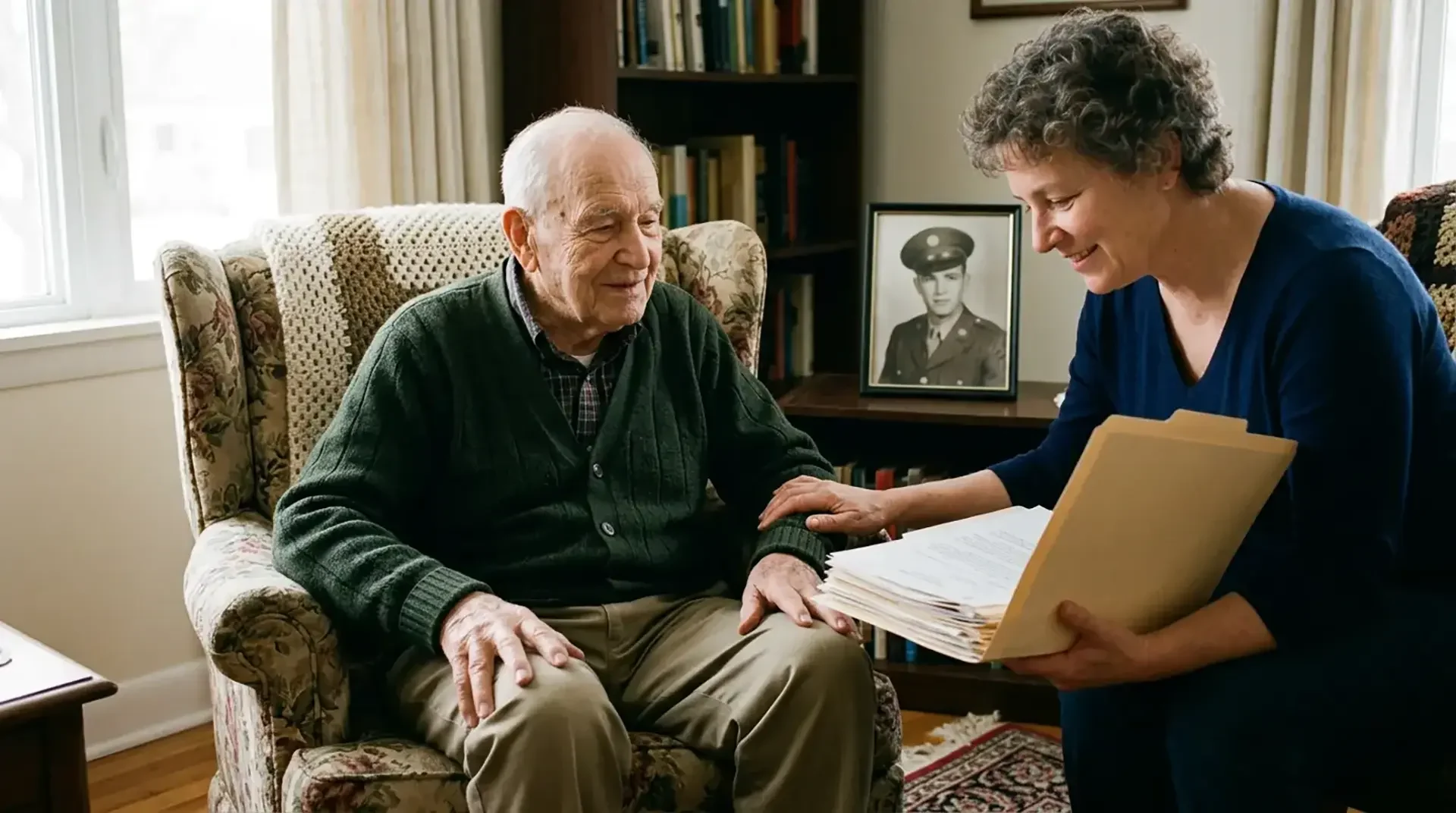
Having legal documents in place. Healthcare proxy. Power of attorney. A living will. These aren't just legal formalities. Without them, families face delays, disagreements, and sometimes legal battles at the worst possible time.
Understanding the financial picture. What resources are available? Does your loved one have long-term care insurance? Do they qualify for any state programs? What can the family realistically afford? These aren't fun conversations, but they're essential.
Building a care team before you need one. Knowing a care manager, having a relationship with a home care registry, understanding what services exist in your area. These connections are exponentially more valuable when they're already in place before a crisis than when you're trying to find them in the middle of one.
Related reading: Estate Planning Basics: What Seniors (and Their Loved Ones) Need to Know
The Emotional Cost of Waiting
Beyond the practical consequences, there's an emotional cost to crisis decision-making that doesn't get enough attention.
Families who are forced into rapid decisions often carry guilt and second-guessing for years afterward. "Did we choose the right facility?" "Should we have tried harder to keep her at home?" "If we'd just started this process six months earlier, would things be different?"
Planning ahead won't eliminate difficult emotions. But it does provide a foundation of intentionality. When you've had the conversations, explored the options, and made decisions thoughtfully, you can move forward with confidence instead of regret.
It Doesn't Have to Be Overwhelming
One of the reasons families put off planning is that it feels like too much. Where do you even start? What are you supposed to plan for when you don't know what's going to happen?
The answer is: start small.
Have one conversation about preferences. Look up one resource. Schedule one appointment with a care manager. You don't need to solve everything at once. You just need to take the first step, and then the next one, and then the next.
At Reflections Management and Care, this is one of the most valuable things we do. We sit down with families in Central New York and help them think through what a plan could look like. Not a rigid plan that tries to predict the future, but a flexible framework that gives everyone room to respond thoughtfully when things change.
If you've been meaning to start this process, we're here to help. The best time to plan was a year ago. The second best time is now.
When your plan includes in-home care, Reflections Home Care Registry can help you find the right caregiver before you're in a rush.