When families think about what makes good care, they tend to focus on the obvious things: Is the caregiver qualified? Are the medical appointments being kept? Is the home safe?
Those all matter. But there's another factor that quietly shapes outcomes more than most people realize: continuity. The consistency of who provides care, how information flows between providers, and whether someone is watching the full picture over time.
When continuity breaks down, even small gaps can create significant problems. And in senior care, breakdowns in continuity happen all the time.
What Continuity of Care Actually Means
Continuity isn't just about having the same caregiver show up every day, though that's part of it. It's about the thread that connects all the different elements of someone's care into a coherent whole.
It means the person who helps your father at home in the morning knows what his doctor discussed at last week's appointment. It means the new medication prescribed by the specialist doesn't conflict with what the primary care doctor already has him on. It means when something changes, everyone who needs to know is informed promptly, not three weeks later.
In a perfect system, this would happen automatically. In reality, it requires someone actively managing it.
Where Continuity Tends to Break Down
Caregiver turnover. The home care industry has notoriously high turnover rates. When a caregiver leaves and a new one starts, knowledge is lost. The new person doesn't know your parent's habits, preferences, or subtle warning signs. They're starting fresh, and your loved one has to build trust all over again. This is especially difficult for people living with dementia or cognitive changes.
Gaps between providers. Your parent's primary care doctor, cardiologist, neurologist, home health aide, and family caregiver are all operating in their own silos. Unless someone is actively coordinating between them, information gets missed. A medication change at one office doesn't reach the others. A concern flagged by the caregiver never makes it to the doctor.
Transitions between settings. Moving from the hospital to home, from home to rehab, from rehab back to home. Each transition creates an opportunity for critical information to be lost. Discharge summaries get filed without anyone reading them. Medication lists don't match. Follow-up appointments fall through the cracks.
The Consequences Are Real
When continuity breaks down, the effects aren't always dramatic. They're often quiet and cumulative.
A medication interaction that goes unnoticed for weeks. A slow decline that nobody catches because each provider only sees one piece of the picture. A caregiver who doesn't recognize that a change in behavior is actually a symptom, because they haven't been around long enough to know what "normal" looks like for this person.
Over time, these small breakdowns compound. And by the time they surface as a visible problem, the window for easy correction has often passed.
What Families Can Do
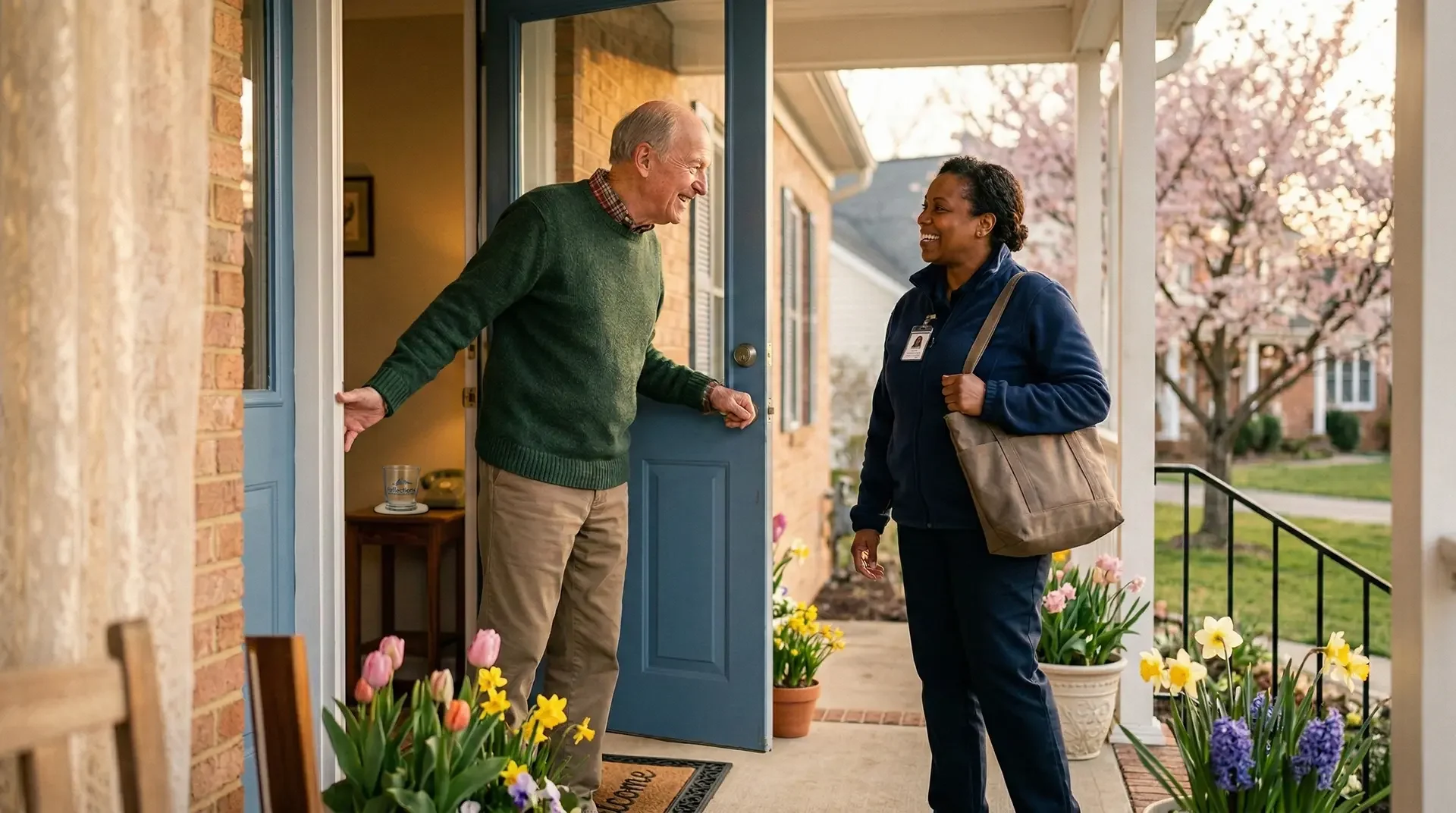
Advocate for consistency in home care. When working with a home care registry, ask about caregiver consistency. How many different people will be coming into the home? Is there a primary caregiver assigned, with a backup who also knows your loved one? Minimizing the number of different caregivers makes a real difference.
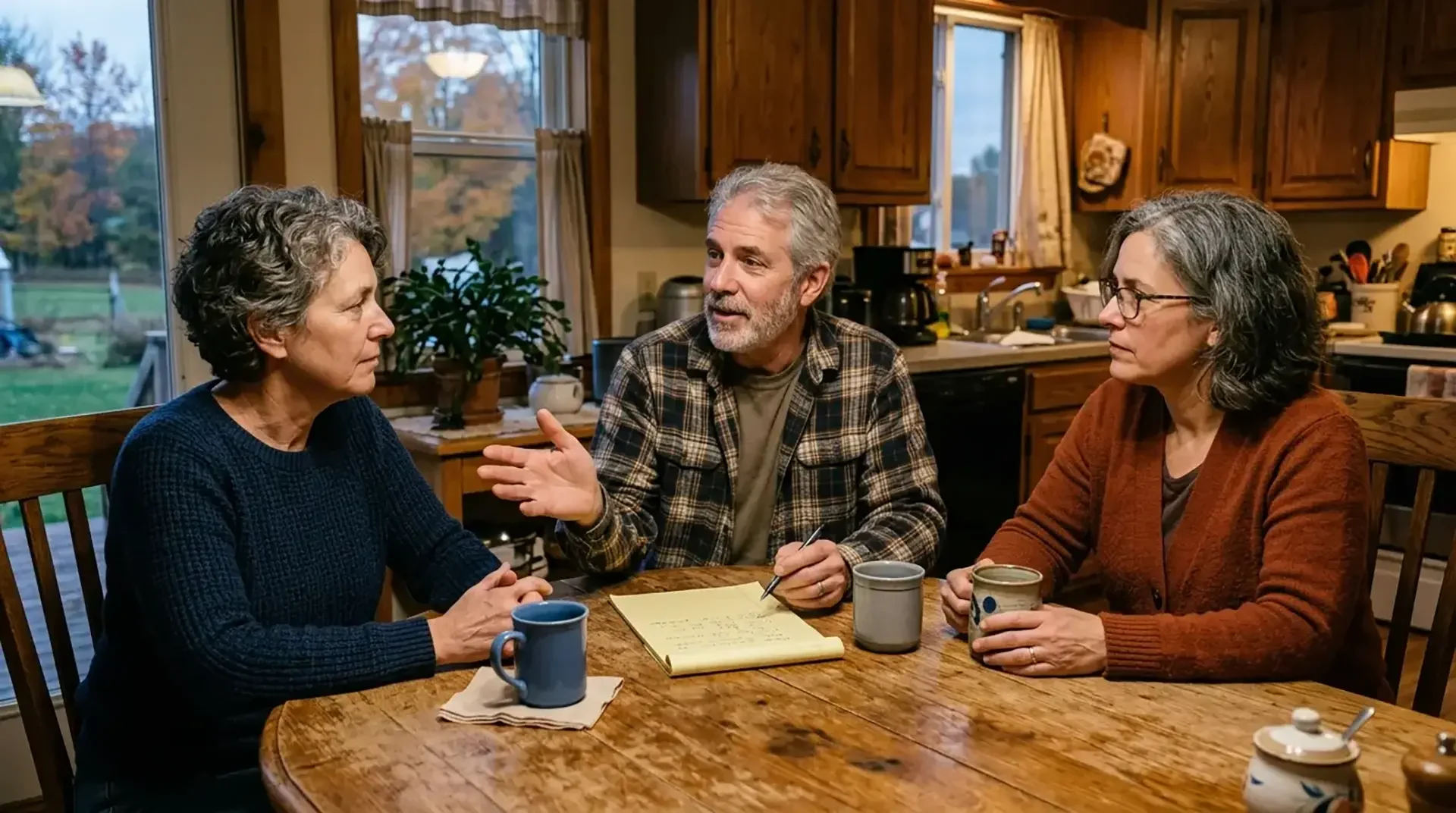
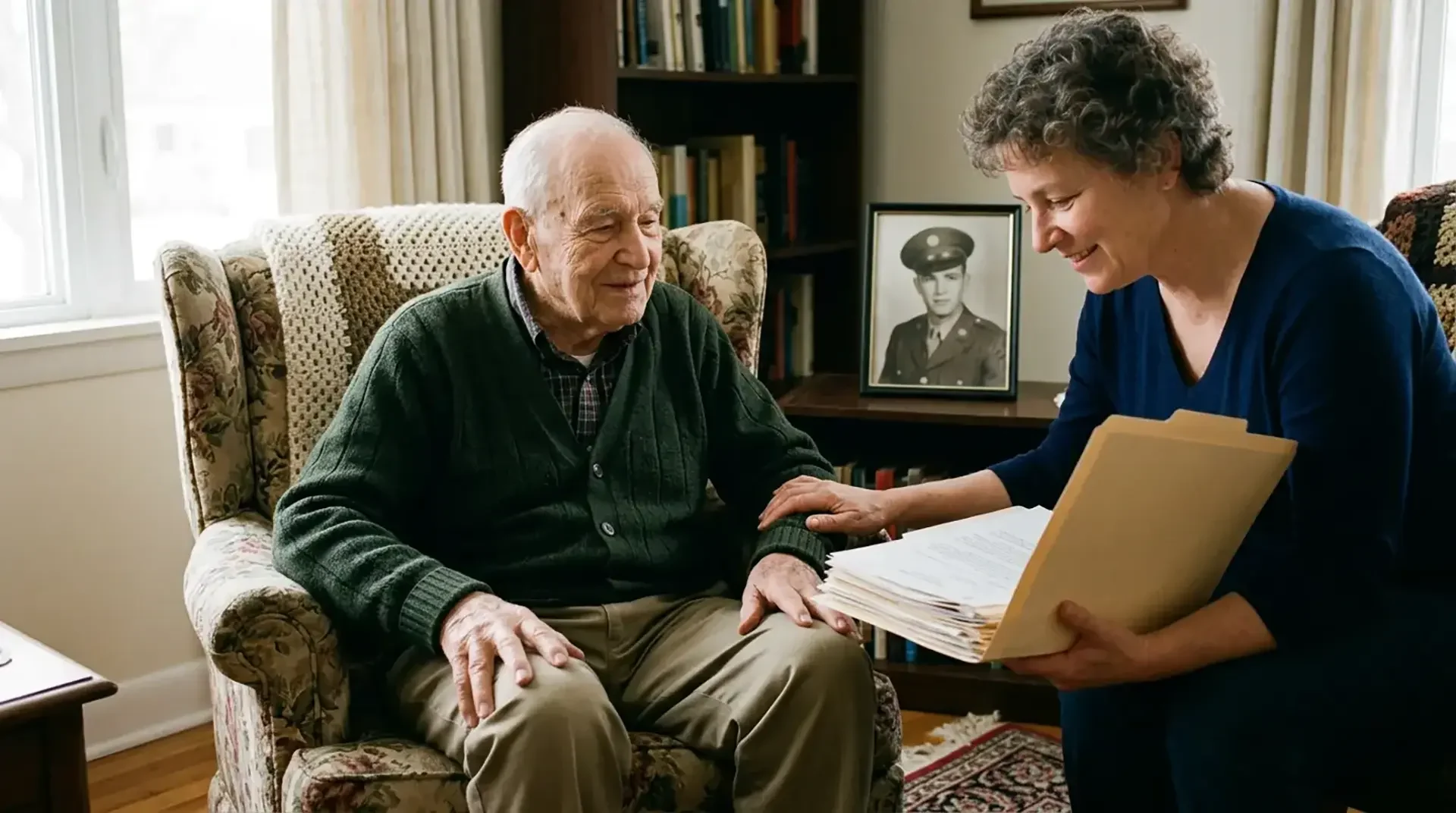
Keep a centralized record. Whether it's a binder, a shared digital document, or a notebook on the kitchen counter, having one place where all care information lives, medications, doctor notes, appointment schedules, caregiver observations, helps bridge the gaps between providers.
Communicate actively. Don't assume that the doctor knows about the medication the specialist prescribed. Don't assume the caregiver knows about the follow-up appointment. Be the connector, or designate someone who can be.
Consider a care manager. This is, in many ways, the core of what a care manager does: serve as the central point of coordination for all aspects of someone's care. A care manager knows the full picture, communicates across all the different providers and caregivers, and catches the things that would otherwise fall through the cracks.
Related reading: Aging Life Care Managers: Your Partner in Long-Term Care Decisions
Continuity Is an Investment
Families sometimes think of care management or working with a registry as an added cost. And it is a cost. But when you factor in the expenses associated with preventable hospitalizations, medication errors, caregiver turnover, and crisis-driven decisions, continuity starts to look like one of the smartest investments a family can make.
The care that works best isn't the care that reacts fastest. It's the care that's been consistent long enough to see patterns, anticipate changes, and respond before small issues become big ones.
At Reflections Management and Care, this is the standard we hold ourselves to. We serve as the through-line for families in Central New York, the one consistent presence that ties everything together and makes sure nothing gets lost in the gaps.
If you're concerned about gaps in your loved one's care, reach out to us. We're here to help bring it all together.
Caregiver consistency starts with good matching. Reflections Home Care Registry focuses on finding the right caregiver for the long term, not just filling a shift.