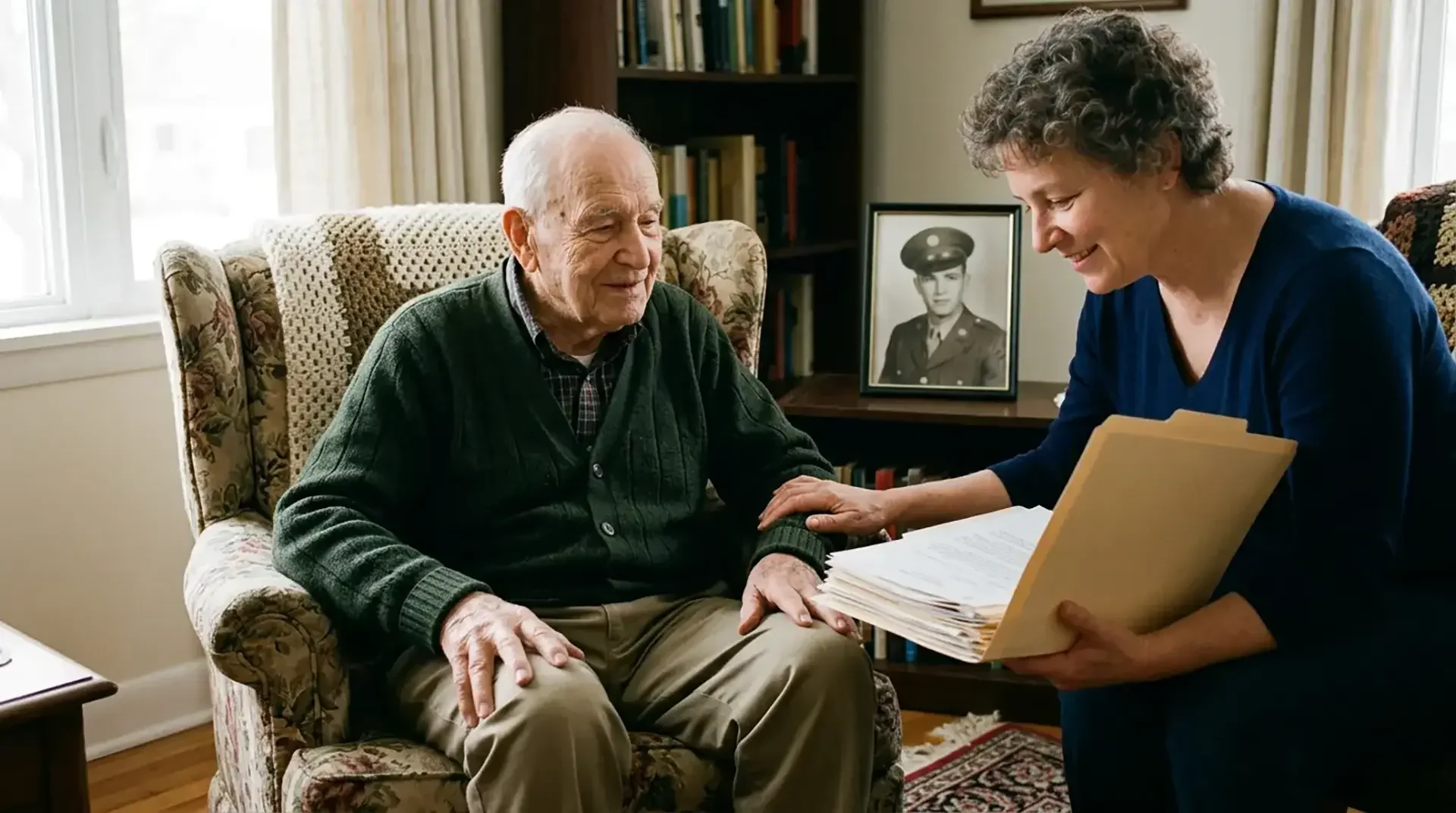

Every care professional has watched the same scene: a family in a hospital waiting room, one adult child on the phone with a sibling, both trying to remember whether Dad ever signed a healthcare proxy and, if he did, which drawer it might be in. The document exists, probably. But at the moment it matters most, nobody can produce it, and its absence shapes everything that happens next.
The fix costs a few hours on a calm afternoon. Here is the checklist: what each document does, and why families wish they had found them sooner.
The Decision-Makers: The Two That Matter Most
If your family does only two things from this list, do these.
Healthcare proxy. Names who makes medical decisions if your parent cannot speak for themselves. Without one, hospitals must work through default rules and, in contested situations, courts. With one, the person your parent actually chose is in charge.
Durable power of attorney. Names who can act on financial and legal matters: pay bills, deal with the bank, manage insurance, sign documents. The word durable matters, meaning it remains valid after incapacity, which is precisely when it is needed. Signed while your parent is well, it is a routine document. Needed after they are not, the alternative can be a slow, expensive, public court guardianship proceeding.
The distinction to remember: the proxy covers medical decisions, the power of attorney covers money and legal matters. Most families need both, and they can name different people.
The Wishes: What Your Parent Wants
A living will records treatment wishes, what your parent would and would not want, in situations where they cannot say so. It guides the proxy and spares that person from guessing at the worst moment of their life.
A MOLST form (Medical Orders for Life-Sustaining Treatment) is different: actual medical orders, signed by a clinician, for people with serious health conditions. Not every family needs one, but for those managing advanced illness, it is how wishes become orders that emergency responders and hospitals follow.
The Practical File: What a Crisis Actually Asks For
Alongside the legal documents, build the folder a hospital admission or emergency actually reaches for:
- Current medication list, with doses
- Insurance cards: Medicare, supplemental, long-term care policy details
- List of doctors and pharmacies with phone numbers
- Photo ID and Social Security card location
- A brief health summary: conditions, allergies, surgeries
The Estate and Financial Layer
Not needed in the ambulance, but needed eventually, and far easier to locate now:
- A current will, and any trust documents
- Deeds, titles, and mortgage papers
- Bank, retirement, and investment account information (locations, not necessarily balances)
- Life insurance policies
- Beneficiary designations, which quietly control retirement accounts and life insurance regardless of what the will says, and which are worth a review for outdated names
Where Documents Should Live
A fireproof box or a clearly labeled file at home beats a bank safe deposit box for the documents needed in emergencies, because a safe deposit box may be unreachable exactly when the healthcare proxy is needed at 2 a.m. Make sure the proxy and power of attorney holders have copies or know precisely where the originals are, give the doctor a copy of the proxy for the chart, and note dates so documents get refreshed every few years.
Do You Need a Lawyer?
Some of these documents are simple, and New York provides standard forms for several. Others, particularly wills, trusts, and anything touching Medicaid planning or protecting a home, are genuinely worth doing with an elder law attorney, where a modest fee now can protect enormous value later.
And if the gaps feel overwhelming, this is a place a care manager routinely helps: we sit with families, sort what exists from what is missing, and connect you with the right professionals for the rest. Families in the Rochester area can do the same with our Aging Well Rochester team . A few hours now, and your family will never be the one searching drawers in a waiting room.
Frequently Asked Questions
Which documents matter most?
Power of attorney, healthcare proxy, a living will or MOLST, insurance policies, and a current medication and provider list. These are the ones families wish they had found sooner.
What is the difference between a power of attorney and a healthcare proxy?
A power of attorney covers financial and legal decisions; a healthcare proxy covers medical decisions. Most families need both in place.
Do we need a lawyer to set these up?
Some documents are simple, and others, especially estate and Medicaid planning, are worth doing with an elder law attorney. We can help you see what you have and what is missing.
A Gift to Your Future Self
Getting these in order now is one of the kindest things you can do for your future self. We can help you build the checklist and fill the gaps. Reach out to the Reflections team at 315-497-7200 or contact us today .