You have seen the signs, you have gathered your courage, you have raised the subject, and you got the answer so many adult children get: “I’m fine. I don’t need help.” Maybe delivered gently, maybe with an edge, maybe with a subject change so fast it left skid marks.
Now what? Because the worry has not gone anywhere, and neither has the situation causing it.
Here is the starting point that changes everything: your parent’s “no” is almost never really about the help.
What the Refusal Is Actually Protecting
Put yourself inside it for a moment. Accepting help, to many older adults, feels like signing a confession: that they are declining, that the roles are reversing, that the independence they have spent a lifetime earning is being taken away, one concession at a time. Some fear that admitting to a need starts a slide that ends in a nursing home. Some are protecting privacy, or pride, or the identity of being the one who takes care of others.
Seen that way, refusing help is not stubbornness. It is a defense of dignity. And you cannot argue someone out of defending their dignity; you can only make the help stop threatening it.
What Actually Works
Lead with their goals, not your fears. “I’m worried about you” makes your parent the problem. “I want you to be able to stay in this house for years, so let’s make that work” makes them the goal. Same help, opposite frame, and the second one gets heard. Find out what they most want to protect, staying home, driving, their routines, and position every form of help as serving that.
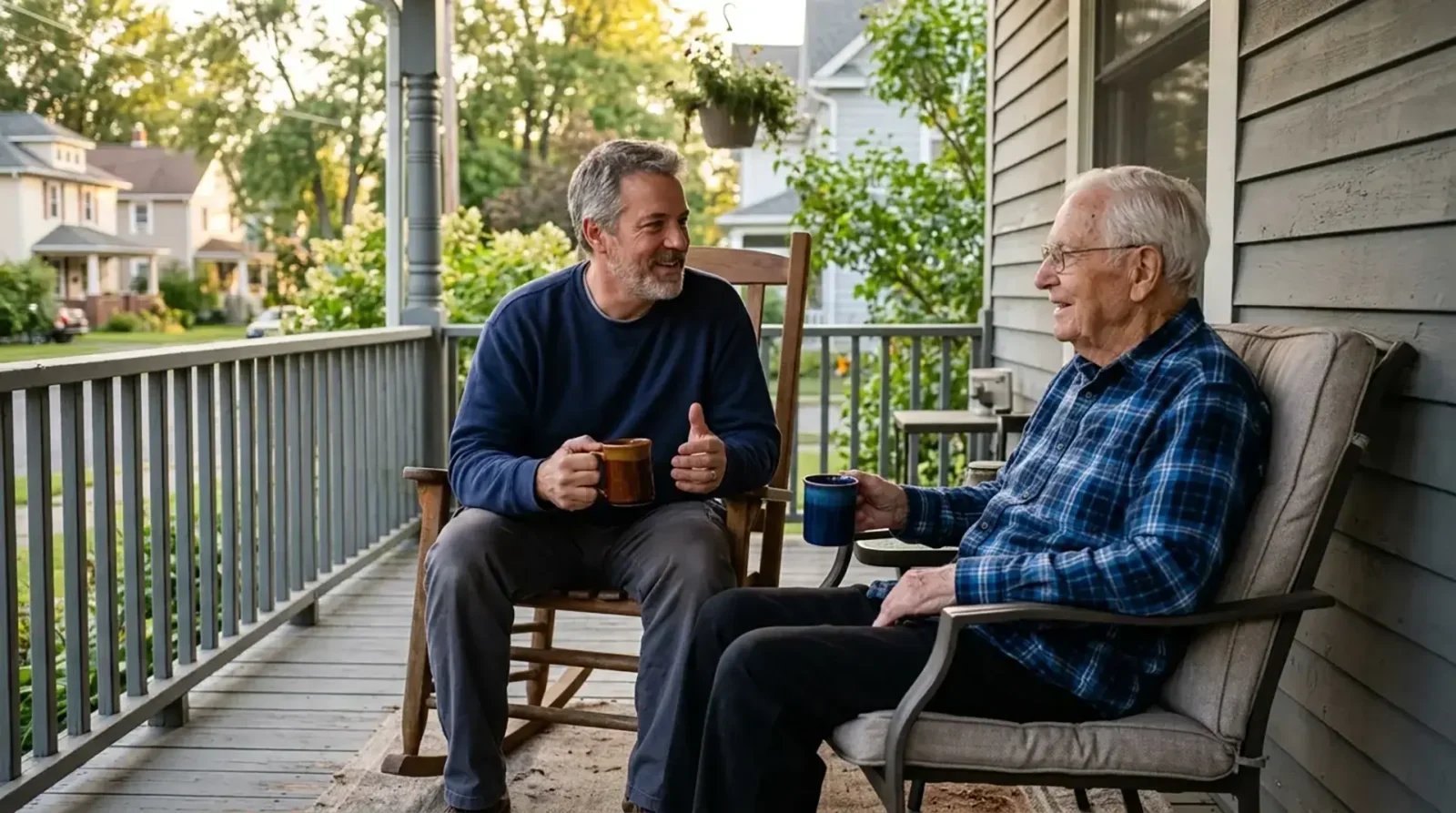
Ask and listen before proposing. “What is getting harder these days?” and “What would make life easier?” out-perform any prepared pitch. People resist conclusions handed to them and act on conclusions they reach themselves.
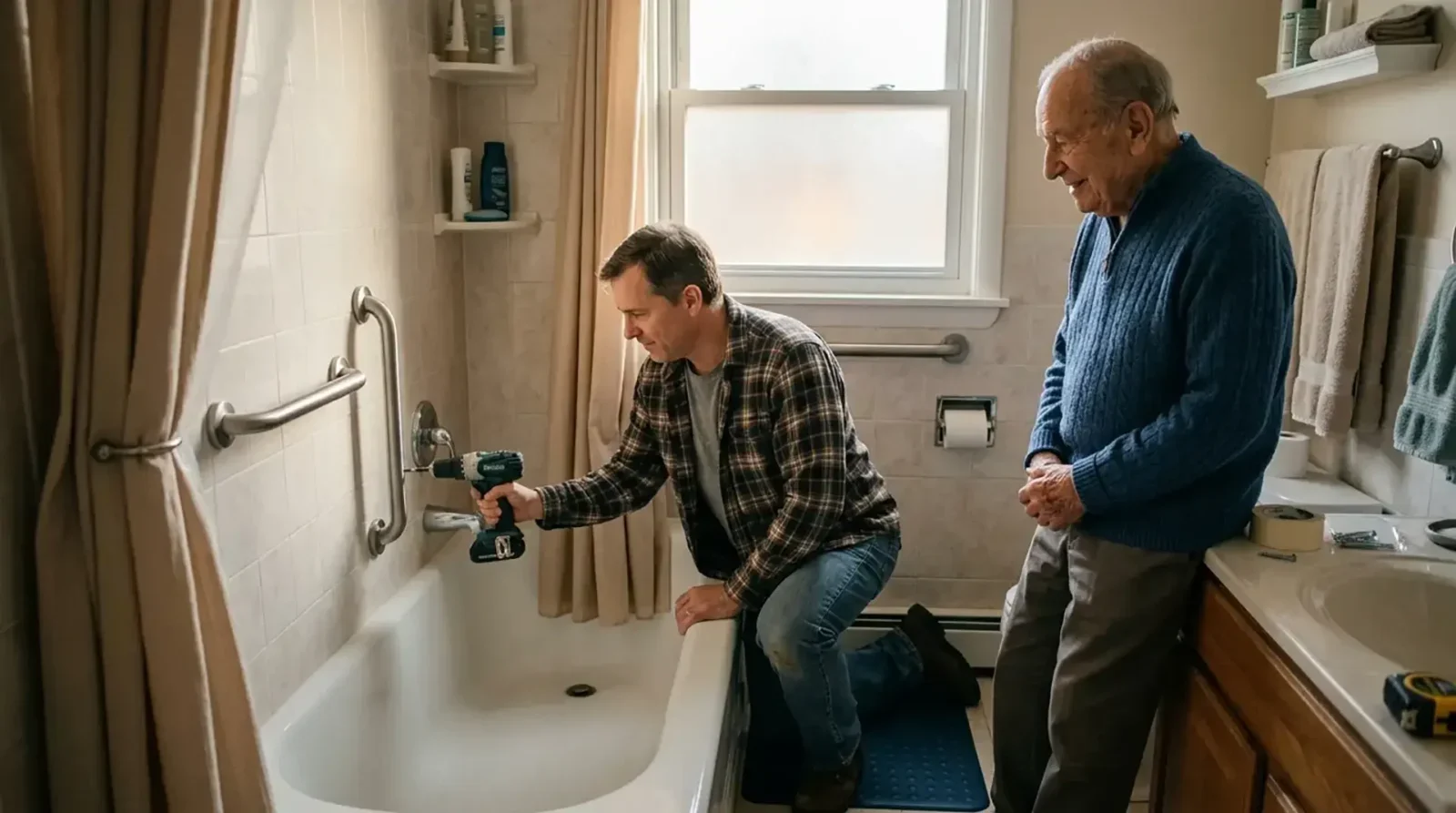
Offer small and specific, not big and vague. “You need help” invites refusal; it is enormous and shapeless. “What if someone handled the yard so your back gets a break?” is small enough to accept without surrendering anything. Start with the least identity-threatening help, housekeeping, yard work, rides, meals, and let trust do the expanding. A stranger in the house becomes a familiar face; a familiar face can eventually help with more.
Revisit over time rather than winning today. This is a series of conversations, not a verdict. Plant the idea, let it sit, come back. Circumstances also do some persuading on their own; your job is to make sure that when your parent becomes ready, saying yes is easy and does not require admitting you were right.
Keep the relationship bigger than the campaign. If every visit becomes a lobbying session, visits themselves become the threat. Protect the ordinary warmth; it is the channel everything else travels through.
When They Still Say No and It Is Getting Unsafe
Bring in a neutral voice. This is the single most reliable unlock we see. A doctor’s recommendation, or a care manager ‘s independent assessment, is often heard completely differently than the same words from an adult child, because it carries no family history and no role reversal. Parents who wave off their children accept guidance from a professional whose job is precisely to protect their independence.
Distinguish risk from disagreement. A parent making choices you would not make is autonomy, and competent adults are entitled to it, including choices that carry risk. A parent no longer able to understand the consequences of their choices is a different situation, one to raise with their doctor, and in genuinely dangerous situations there are protective steps a professional can walk you through. Most families are in the first category, where patience and the strategies above are the honest path.
And if there is real danger, act. A parent in immediate danger, from a safety crisis, self-neglect, or exploitation, is beyond waiting out. Call the doctor, and get professional guidance on next steps quickly.
A Neutral Partner for Exactly This
Helping families through this exact standoff is some of the most delicate work we do. A Reflections care manager can meet your parent as a respectful professional, assess with fresh eyes, and often open doors that years of family conversation could not, precisely because we are not family. For Rochester-area parents, our Aging Well Rochester team plays the same role.
Frequently Asked Questions
Why do parents refuse help?
Often it is about protecting independence and dignity, not stubbornness. Hearing that fear first tends to open the conversation.
What actually works?
Lead with their goals, like staying home safely, rather than your worries. Offer small, specific steps instead of a big handover, and revisit it over time rather than in one talk.
What if they still say no and it is becoming unsafe?
Bring in a neutral professional. A care manager or doctor is often heard differently than an adult child.
A Different Voice Can Change the Conversation
This is one of the hardest conversations families face, and a neutral voice often changes how it lands. We are glad to help you approach it. Reach out to the Reflections team at 315-497-7200 or send our team a message .