Age-Friendly Communities: Flipping the Script on Senior Support
As Older Americans Month continues, we have a valuable opportunity to consider how we support older adults in our society. The theme, “flipping the script on aging,” is all about moving beyond stereotypes towards a more positive view of aging. And while these discussions often focus on individual actions, building age-friendly communities requires a broader vision – one that involves all of us.
This month, let’s focus on flipping the script on senior support at the community level. Let’s explore what it really means to create age-friendly environments and how shared responsibility can transform aging for everyone.
A Community’s Role in Healthy Aging
People often think about aging as something individuals navigate on their own. While personal choices certainly matter, this viewpoint misses a crucial piece of the puzzle. Focusing solely on individual responsibility for healthy aging overlooks the impact of our surroundings and the systems in place to support us.
Think about the different factors that influence senior well-being. Many of them are societal, like reliable transportation options and quality healthcare services. These aren’t things individuals can easily change on their own. Instead, they are shaped by community planning, resources, and policies. Creating age-friendly communities means addressing these social determinants of health head-on.
If we really want to change the narrative on aging, we need to recognize this shared responsibility and work together to build environments where everyone can age well. It requires a community-wide effort – a shared commitment from residents, local businesses, healthcare providers, community organizations, and local government working together. Building age-friendly communities is, at its heart, a collective responsibility.
Building Age-Friendly Communities In Practice
If we embrace the idea that creating age-friendly communities is a shared responsibility, the next question is: What does this actually mean in practice? How do we move from the concept of community support to the reality of age-friendly environments? Let’s take a closer look at the elements that build communities where older adults can thrive.
Safe Environments
A basic part of any age-friendly community is physical space. Easy-to-use and safe streets and buildings are a must for older adults to get around and stay independent. If these things aren’t in place, it’s hard for seniors to be part of community life or even do everyday things.
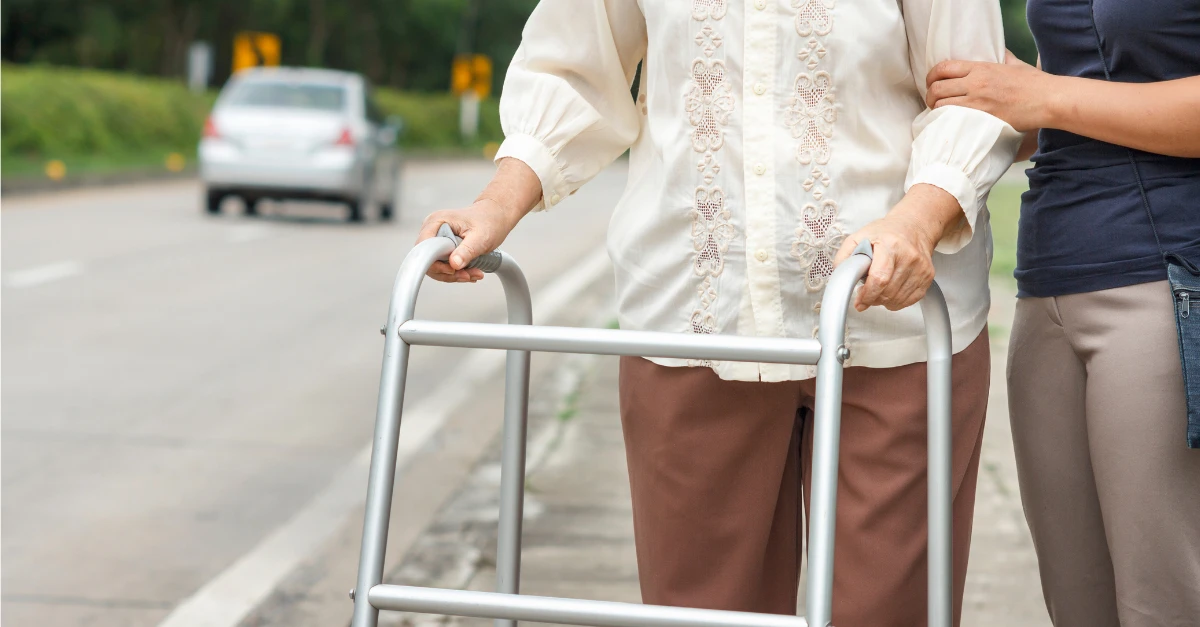
For example, good sidewalks can make a world of difference for seniors who have trouble getting around. Likewise, buildings should be easy to enter for everyone. Ramps, elevators, and doors that aren’t too heavy mean older adults can access shops, services, and events, and stay involved. And lastly, safe crosswalks and streets designed for people walking are also essential to protect older adults when they’re out and about.
Accessible Transportation
As people age, driving can become challenging due to health issues, vision changes, or the rising costs of car ownership and maintenance. When driving isn’t an option and public transit is limited or inaccessible, seniors can face isolation, struggling to stay connected to their communities and essential services.
Prioritizing reliable and affordable transportation options is a huge part of making communities age-friendly. This includes accessible public transportation like buses and trains with routes and schedules that meet seniors’ needs. Beyond public transit, reliable ride services and community transportation programs play a vital role in filling transportation gaps.
Opportunities for Social Engagement
Social interaction is a fundamental element of well-being as we age. For older adults, active social lives can combat loneliness, reduce isolation, and even positively impact physical health.
Age-friendly communities recognize this and actively create opportunities for social engagement. Think about senior centers that offer diverse activities, from fitness classes and book clubs to arts and crafts and shared meals. Libraries, parks, and community centers can also be hubs of social activity when designed to be welcoming and inclusive for seniors.
Community Support and Health Services
Next, accessible health and support services are absolutely vital for older adults to thrive in their communities. This means not only having quality medical care nearby but also ensuring it’s affordable, easy to reach via transportation, and responsive to the specific needs of older adults. Home care services are equally important as they allow seniors to maintain independence and age in place comfortably by bringing needed support directly to their homes.
Of course, navigating these various services can be complex. Care Managers play a crucial role in helping seniors and their families understand available resources, create personalized care plans, and ensure seamless access to the support they need. Their work strengthens the very fabric of age-friendly communities.
Partnering for a Better Future: Reflections Management and Care
Building age-friendly communities requires all of us to keep thinking, keep talking, and keep working together to create places where everyone can age well. But imagine the possibilities: communities where older adults are supported, deeply connected, and fully valued for all they bring. That’s a future worth striving for, every single day.
At Reflections Management and Care, we believe in this vision wholeheartedly. We are dedicated to providing inclusive Aging Life Care management services that put positive aging at the center. If you want to learn more about how our care management services can make a difference for you or your family, reach out to Reflections today.