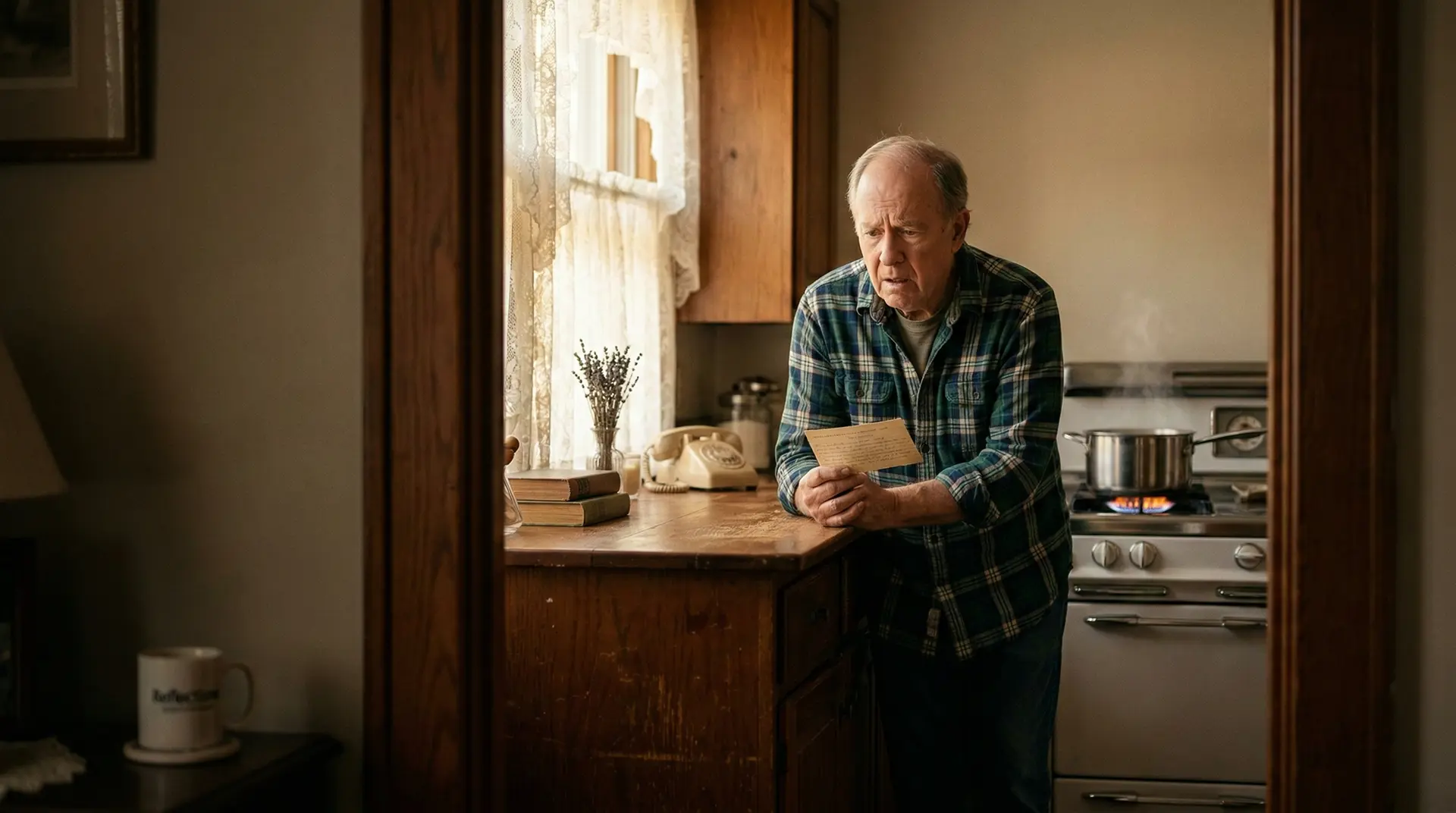
When “Independent” May No Longer Be Safe
Your parent says they’re fine. They’re managing. They don’t need help. And for a while, that may be true. Many older adults maintain their independence well into their eighties and beyond, handling daily life with skill, routine, and determination.
But there’s a point where “independent” and “safe” stop meaning the same thing. Where the routines that used to work are now masking real risks. Where the determination that’s always been admirable starts looking more like denial.
Recognizing when that line has been crossed is one of the most difficult and important judgments a family can make.
The Difference Between Independence and Safety
Independence means doing things yourself. Safety means doing them without unreasonable risk. For most of our lives, those two things overlap almost completely. As we age, the overlap narrows.
A parent who insists on showering without help may be exercising independence. But if they’ve fallen twice in the past month, they’re no longer exercising it safely. A parent who drives to the grocery store every Tuesday is maintaining their routine. But if they’re getting lost on familiar roads, the routine has become a risk.
The challenge is that the person in question almost never sees this gap. From their perspective, they’re doing what they’ve always done. The loss of safety is gradual enough that it doesn’t register internally the way it does to someone watching from the outside.
What Safe Independence Actually Looks Like
Safe independence isn’t about doing everything alone. It’s about having the right support in place so that daily life remains both autonomous and secure.
That might mean a grab bar in the shower so bathing stays independent but falls become less likely. It might mean a medication management system so your parent still takes their own pills but doesn’t miss doses or double up. It might mean a companion caregiver a few days a week so your parent has someone nearby during the hours when risk is highest.
These aren’t compromises on independence. They’re supports that preserve it. The alternative, waiting until something happens and then making emergency changes, usually results in far more independence being lost.
Related reading: Balancing Safety and Independence at Home
The Signals That the Line Has Shifted
We’ve written about warning signs in earlier posts, but here we want to focus specifically on the signals that indicate the gap between independence and safety has widened to a concerning degree.
Multiple falls, even without serious injury. A single stumble can happen to anyone. Repeated falls, especially if your parent downplays them or you’re discovering them after the fact, indicate that the physical environment or their physical abilities (or both) need attention.
Inability to manage emergencies. If your parent couldn’t get to the phone after a fall, couldn’t describe their symptoms clearly during a medical episode, or wouldn’t know what to do if the power went out, their ability to handle the unexpected is compromised.
Significant weight loss or poor nutrition. A fridge full of expired food, unwashed dishes piling up, or noticeable weight loss suggest that meal preparation has become a challenge. Nutrition is a foundational safety issue that’s easy to overlook.
Declining personal care. When someone who was always well-groomed starts looking disheveled, wearing the same clothes repeatedly, or showing signs of incontinence, daily personal care has become difficult, and the risk of secondary health issues increases.
Confusion about medications, finances, or daily tasks. Cognitive changes that affect the ability to manage essential daily activities represent one of the most serious safety concerns, because the person experiencing them is often the least aware of their impact.
Related reading: Early Warning Signs Families Often Miss
Having the Conversation
When you’ve concluded that your parent’s independence is no longer synonymous with safety, the next step is the conversation. And it’s one of the hardest conversations families face.
The most effective approach is specific, compassionate, and focused on partnership rather than control. “I noticed the bruise on your arm and the dent in the car. I’m worried, and I want to help figure out what would make things easier” is very different from “You can’t live alone anymore.”
Frame the support as something that protects independence rather than replaces it. Because in most cases, that’s exactly what it is. The alternative to getting help isn’t staying independent. It’s a crisis that takes far more independence away.
Related reading: How to Talk to a Parent Who Resists Help
What Comes Next
The specifics depend on the situation. For some families, a home safety assessment and a few modifications are enough to close the gap. For others, bringing in a caregiver a few days a week provides the safety net that makes continued independence possible. For some, the conversation leads to exploring other living arrangements.
Whatever the path, starting it sooner gives everyone more options and better outcomes.
At Reflections Management and Care, we help families navigate exactly this moment, the point where something needs to change but nobody is quite sure what. We provide honest, objective assessments and help you find solutions that respect your loved one’s autonomy while addressing the real safety concerns. Reach out anytime.
If the right next step is in-home support, Reflections Home Care Registry can help you find a caregiver who preserves your parent’s independence while keeping them safe.