Stroke Recovery: Tips for Seniors and Their Families
A stroke can change life in an instant, impacting not only the individual who experiences it but their family and loved ones as well. The road to recovery can be long and challenging, but but it doesn’t have to define the future for seniors and their loved ones. With the right support and a proactive approach to recovery, many stroke survivors regain independence, rediscover joy, and continue living fulfilling lives.
As World Stroke Day approaches on October 29th, we want to provide practical guidance and support for seniors who have experienced a stroke, as well as their caregivers. This blog post will explore essential tips for navigating the recovery process, including physical rehabilitation, emotional support, and resources available to help you along the way.
The Road to Recovery: What to Expect
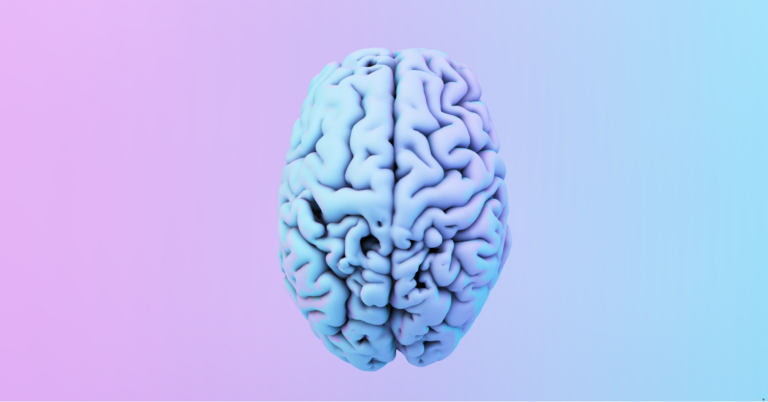
Recovering from a stroke is a unique journey for each individual. The length of recovery and the specific challenges faced can vary depending on the severity and location of the stroke, as well as individual factors like age and overall health.
That being said, in general, stroke recovery can be broken down into three phases:
- Acute Phase (Hospitalization): Immediately after a stroke, the focus is on stabilizing the patient and preventing further damage. This typically involves hospitalization for medical monitoring and treatment. During this phase, diagnostic tests are performed to determine the type of stroke and its extent.
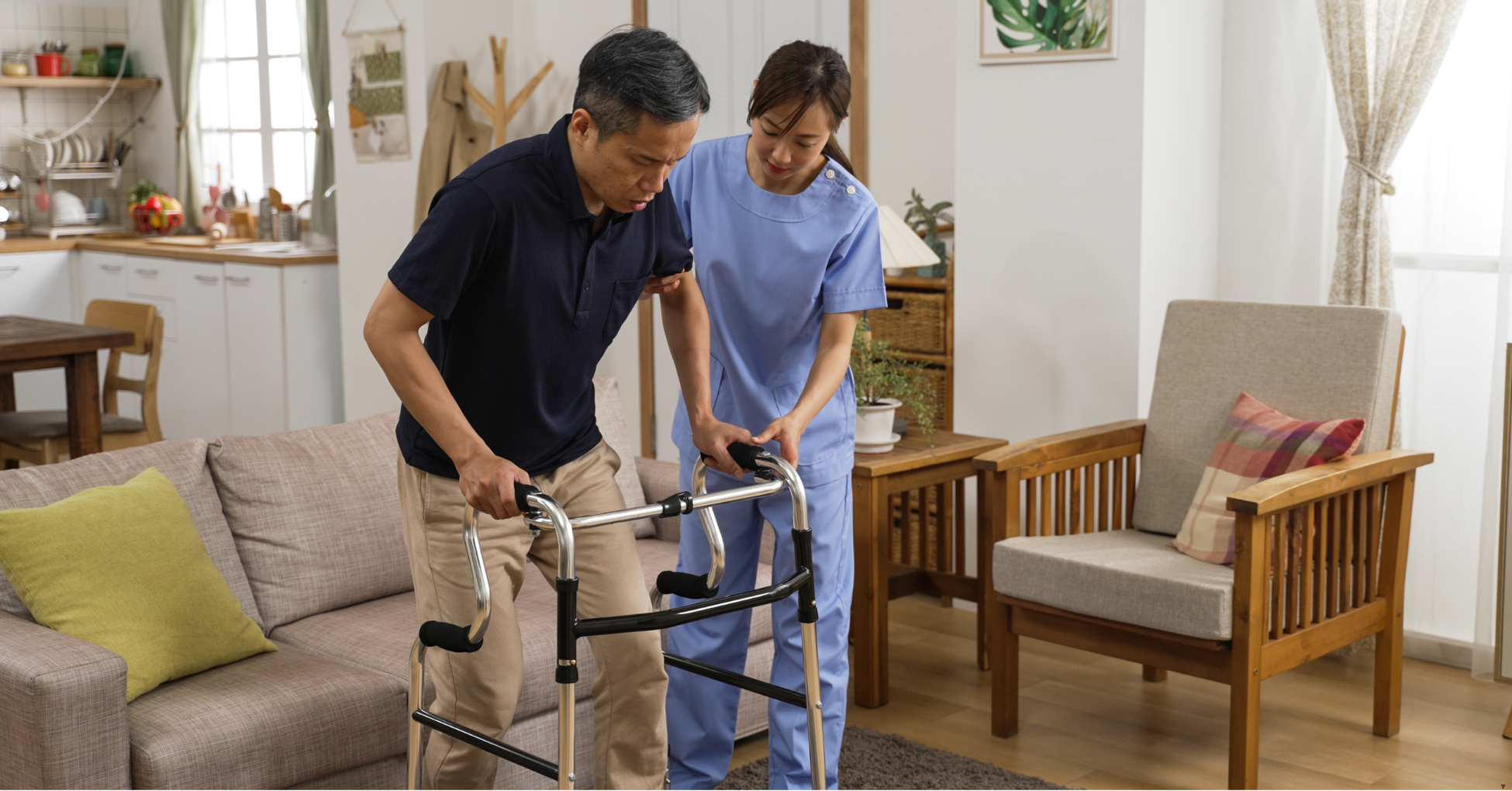
- Rehabilitation Phase: Once the patient is stable, they typically begin a rehabilitation program tailored to their specific needs. This phase can be either inpatient (in a rehabilitation facility) or outpatient (at home or in a clinic). Rehabilitation focuses on regaining lost skills and function, such as speech therapy, physical therapy, and occupational therapy. The duration of this phase can vary widely depending on the individual’s progress.
- Long-term Recovery: This phase focuses on continued improvement and adapting to life after a stroke. It may involve ongoing therapy, medication management, lifestyle changes, and support groups. The goal is to maximize independence, prevent future strokes, and improve overall quality of life.
Stroke Recovery Tips for Seniors and Caregivers
Recovering from a stroke is a team effort, involving both the individual and their support network. While the journey is unique for everyone, there are key principles and strategies that can make a significant difference in the recovery process.
Follow the Rehabilitation Plan
After a stroke, a personalized rehabilitation plan is often crucial to regaining lost skills and maximizing recovery potential. It’s essential for seniors to attend all scheduled therapy sessions and diligently follow the exercises and activities prescribed by their healthcare professionals.
Physical therapy focuses on improving strength, balance, coordination, and mobility. Meanwhile, occupational therapy helps individuals relearn essential daily tasks and adapt to any challenges posed by their stroke. And lastly, speech therapy addresses language and communication difficulties that may arise from a stroke. Sticking to the recommended rehabilitation plan is crucial for regaining independence and improving overall quality of life. It’s a commitment, but the results can be truly transformative.
Maintain a Healthy Lifestyle
A healthy lifestyle is a powerful ally in stroke recovery. Just as good nutrition and exercise support overall well-being, they also play a crucial role in healing and regaining function. For seniors, a balanced diet rich in fruits, vegetables, and whole grains provides essential nutrients for recovery. Lean proteins aid in muscle repair, while staying hydrated ensures optimal bodily functions.
Adequate sleep is also vital for healing and overall well-being. Establish a regular sleep routine and create a restful environment to ensure that your loved one gets the rest they need. Managing stress is also essential during recovery. Encourage relaxation techniques like deep breathing, meditation, or listening to calming music. If needed, seek professional support through therapy or counseling to address any emotional challenges that may arise.
Prioritize Emotional Well-being
Stroke recovery is a deeply emotional journey. Many stroke survivors experience depression, anxiety, and even post-traumatic stress disorder (PTSD) following a stroke. In fact, post-stroke depression affects an estimated 30-50% of survivors in the early or later phases of recovery.
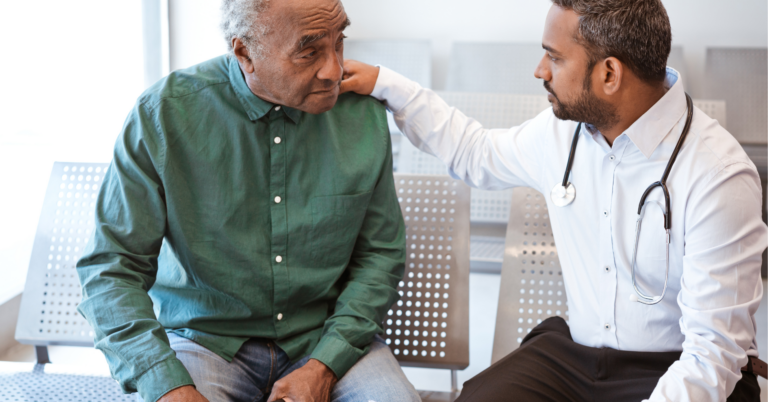
It’s important for both seniors and their caregivers to acknowledge these emotions and seek support when needed. Talking openly with loved ones, joining support groups, or seeking professional help from a therapist or counselor can be immensely beneficial. These resources can provide a safe space to process emotions, develop coping mechanisms, and connect with others who understand the unique challenges of stroke recovery. Remember, caring for your emotional well-being is just as important as caring for your physical health.
Celebrate Small Victories
Stroke recovery is a journey filled with ups and downs, setbacks, and triumphs. Celebrating even the smallest victories is essential for maintaining motivation and a positive outlook.
Each step forward, whether it’s regaining movement in a limb, speaking a few more words, or simply getting out of bed independently, is a cause for celebration. Positive reinforcement through praise, encouragement, and recognition of these achievements can significantly boost a senior’s confidence and drive to keep going.
Remember, the goal of recovery is not perfection but progress. Setting realistic and attainable goals can prevent discouragement and provide a sense of accomplishment as milestones are reached. Celebrate every step of the way and remember that progress, no matter how small, is worth acknowledging.
The Road to Stroke Recovery for Seniors
While a stroke can be a life-altering event, it doesn’t have to define the future. With the right support, rehabilitation, and a positive outlook, many stroke survivors can make remarkable progress and regain their quality of life. At Reflections Management and Care, we’re committed to supporting stroke survivors and their families on this journey. We offer comprehensive care management services, connecting you with the resources and expertise you need to navigate the challenges of recovery. From coordinating therapy sessions to providing emotional support, we’re here to help you every step of the way. Reach out our team to learn more or get started.