Bridging the Generation Gap for Stronger Communities
Sometimes it can feel like different generations are speaking different languages. It’s easier than ever these days to exist in our own little bubbles – teenagers with their friends, parents busy with work and family, and seniors enjoying a quieter pace of life. But when we focus only on our own age group, we miss out on the incredible richness that comes from connecting with people of different generations.
This blog post is all about the magic that happens when we bridge that gap. We’ll explore how building relationships between young and old creates stronger, more vibrant communities for everyone.
Understanding the Generation Gap
The generation gap is more than just a difference in years. Of course, age plays a role, but it’s also about:
- Differing Values: What we prioritize in life often shifts with each generation. Older adults may place a high value on tradition and stability, while younger generations might prioritize individuality and rapid change.
- Communication Styles: From the rise of texting and social media to the fading art of letter writing, how we communicate has drastically evolved. This can lead to misunderstandings and missed connections between generations.
- Cultural Experiences: The music we listened to growing up, the major world events that shaped our worldview, the pop culture icons we idolized – these shared experiences create a generational identity that can feel foreign to those outside of it.
- Technological Familiarity: Technology is perhaps the most obvious divider. Seniors may struggle with the latest gadgets, while digital natives navigate them with ease. This can create a sense of dependence or frustration on both sides.
Understanding these different facets of the generation gap is the first step towards bridging it. It allows us to approach interactions with empathy and a willingness to learn from each other.
Bridging the Gap: Strategies for Stronger Communities
Now that we have a better understanding of the factors that contribute to the generation gap, let’s explore some practical strategies for building bridges between age groups. It’s time to move beyond simply recognizing the gap and actively work towards creating a more inclusive and connected community.
Community Programs and Initiatives
One of the most effective ways to bridge the gap is through intergenerational programs. These initiatives bring together people of different ages to learn from each other, share experiences, and build meaningful relationships.
Here are a few examples:
- Mentoring Programs: Pairing seniors with youth for academic support, life skills coaching, or simply companionship can be incredibly beneficial for both parties. Seniors gain a sense of purpose and connection, while youth benefit from guidance and a different perspective.
- Intergenerational Daycares: Imagine a daycare center where seniors and children interact throughout the day! This model not only provides childcare but also creates opportunities for seniors to feel valued and involved in their community.
- Community Gardens: Gardening is a wonderful way to bring people together. Intergenerational gardens allow seniors to share their knowledge and love of nature with younger generations, while also providing a space for collaboration and shared accomplishment.
- Senior Centers with Youth Programs: Senior centers can expand their offerings to include activities that appeal to younger people, such as technology workshops, art classes, or music performances. This creates a vibrant, multi-generational hub within the community.
Community organizations, schools, and local governments all have a role to play in creating these opportunities for interaction. By investing in intergenerational programs, we invest in the well-being of our communities as a whole.
Encouraging Everyday Interactions
Of course, bridging the generation gap doesn’t always require structured programs. Sometimes, the most meaningful connections happen in the everyday moments of life.
How often do we pass by someone of a different generation without a second thought? Maybe it’s an elderly person sitting on a park bench or a group of teenagers laughing at the bus stop. Instead of just walking by, what if we took a moment to acknowledge them, offer a smile, or even strike up a conversation? These small interactions can plant the seeds for genuine connection and understanding.
Volunteering is another fantastic way to step outside our usual social circles and build relationships with people of different ages. Whether you’re helping out at a senior center, mentoring a young person, or lending a hand at a community event, volunteering provides a natural setting for meaningful interactions and shared experiences. Plus, you’ll be making a positive impact on your community in the process!
Using Technology to Connect
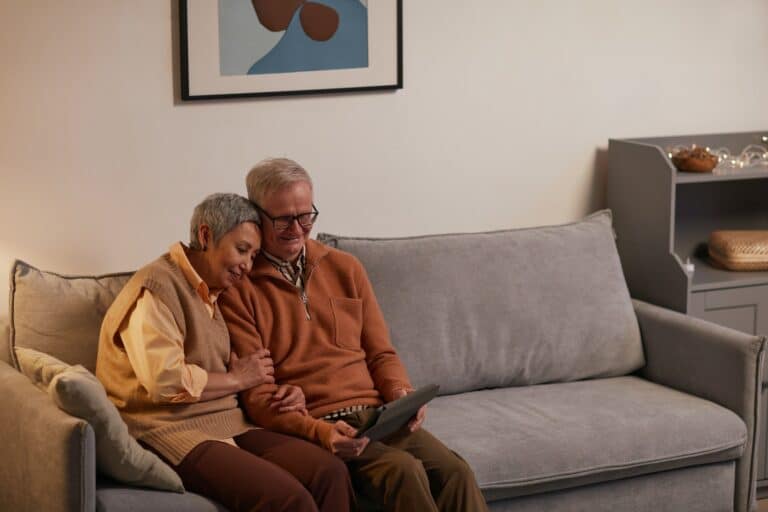
While technology is sometimes seen as a contributor to the generation gap, it can also be a helpful tool for bridging it. Video calls, for instance, allow grandparents to stay involved in the lives of their grandchildren, even if they live miles apart. Families can share meals virtually, read bedtime stories, and celebrate special occasions together, no matter where they are.
Online platforms also offer opportunities to connect with people who share our interests, regardless of age. Seniors can join online forums or social media groups focused on hobbies like gardening, cooking, or travel, where they can exchange ideas and learn from others. These virtual spaces can combat feelings of isolation and foster a sense of belonging.
Of course, it’s important to be mindful of the digital literacy gap that may exist for some older adults. When introducing technology as a means of connection, patience and understanding are key. Start with simple tools and provide clear instructions. Offer to help set up devices, teach basic skills, and provide ongoing support. Empowering aging adults to use technology can open up a world of possibilities for connection and engagement.
Promoting Understanding and Respect
Ultimately, building stronger connections between generations hinges on a foundation of mutual respect. This means recognizing the inherent value of each individual, regardless of their age or background. When we interact with someone from a different generation, truly listening with an open mind and heart is a must. Active listening allows us to step outside our own perspectives and appreciate the unique experiences and wisdom that each person brings to the table.
Instead of focusing on the differences that separate us, we can choose to celebrate the richness that diversity brings. Seniors offer a wealth of life experience and historical context, while younger generations bring fresh ideas and a passion for innovation. When we value these diverse perspectives, we cultivate an environment where everyone feels heard and appreciated. This lays the groundwork for genuine connection and understanding, leading to stronger relationships and more vibrant communities where everyone feels they belong.
A Future Built on Intergenerational Connections
When we break down the walls between generations, we create a richer, more vibrant society for everyone. We promote more empathy and build a stronger sense of community. We tap into a wealth of shared experience and knowledge, leading to greater innovation. And most importantly, we create a world where everyone feels connected.
At Reflections Management and Care, we are dedicated to helping aging adults live fulfilling lives while remaining connected to their communities. If you’re seeking support for an aging loved one, reach out to our team to learn more.