Recognizing World Stroke Day and Its Impact on Seniors
Every year, on October 29th, we recognize World Stroke Day, a day dedicated to raising awareness about the devastating impact of strokes. Strokes are a leading cause of disability and death worldwide, and seniors are particularly vulnerable to this medical emergency.
As we commemorate World Stroke Day, it’s crucial to understand why strokes are so prevalent among older adults and learn how to recognize the signs and symptoms. By increasing awareness and knowledge, we can empower seniors and their families to take proactive steps in preventing strokes and ensuring prompt medical attention when needed.
Understanding Strokes
What is a Stroke?
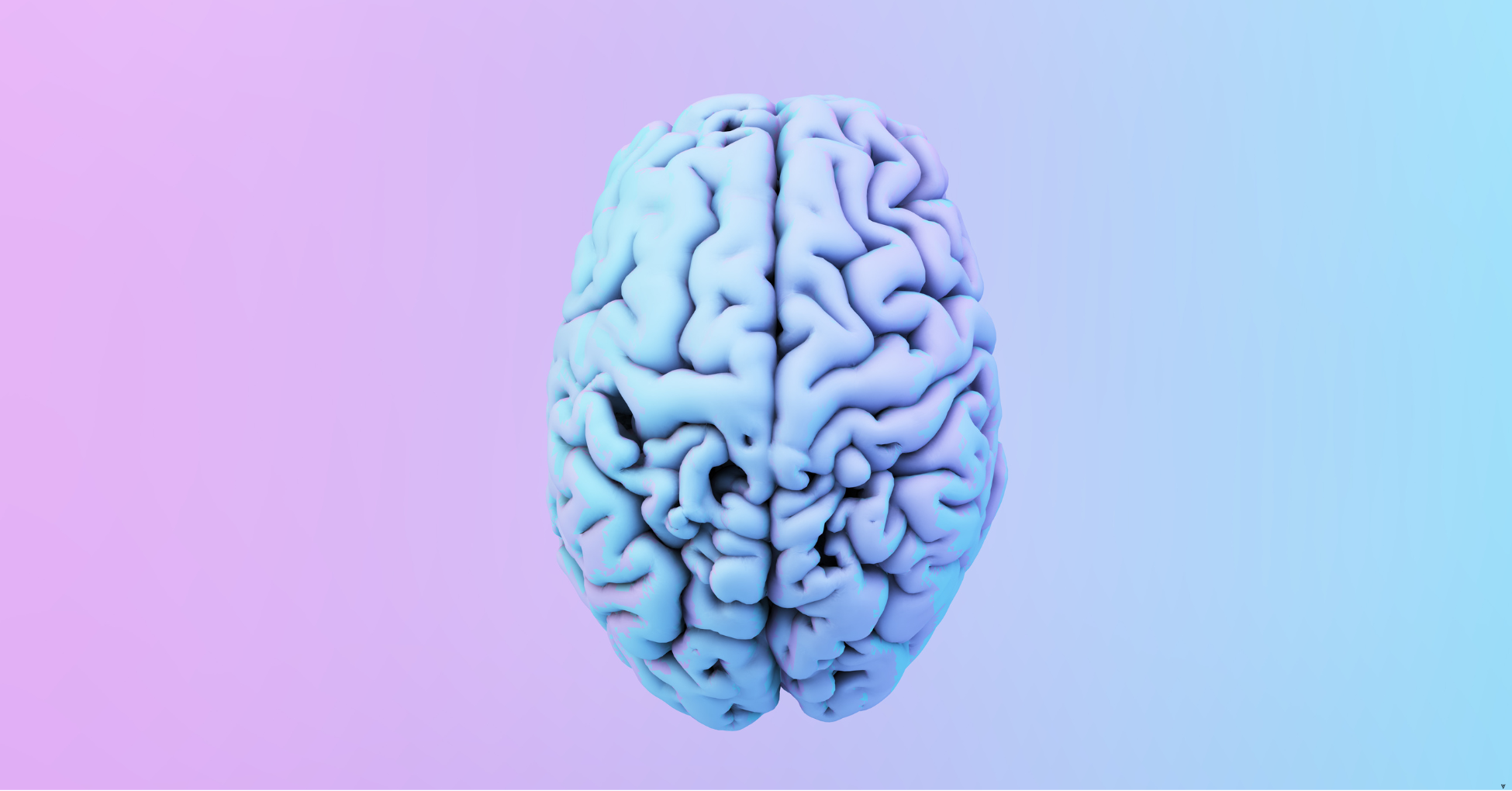
A stroke occurs when the blood supply to part of the brain is interrupted. This disruption in blood flow deprives brain cells of oxygen and nutrients, causing them to die rapidly. There are two main types of strokes:
- Ischemic stroke: This is the most common type, accounting for about 87% of all strokes. It happens when a blood vessel supplying the brain becomes blocked by a blood clot or plaque buildup.
- Hemorrhagic stroke: This type occurs when a blood vessel in the brain ruptures and bleeds, causing pressure and damage to surrounding brain tissue.
Both types of stroke can have devastating consequences, including paralysis, speech impairment, cognitive difficulties, and even death.
Stroke Risk Factors for Seniors
While anyone can have a stroke, certain factors increase the risk, especially for seniors. These include:
- High blood pressure: Uncontrolled high blood pressure damages blood vessels and increases the likelihood of both ischemic and hemorrhagic strokes.
- High cholesterol: High cholesterol contributes to plaque buildup in arteries, increasing the risk of ischemic strokes.
- Diabetes: High blood sugar levels can damage blood vessels and nerves, increasing the risk of stroke.
- Atrial fibrillation: This heart rhythm disorder increases the risk of blood clots forming in the heart, which can travel to the brain and cause a stroke.
- Smoking: Smoking damages blood vessels and increases the risk of blood clots, contributing to stroke risk.
- Age: The risk of stroke increases significantly with age. It’s estimated that after age 55, the risk of stroke doubles every decade.
Warning Signs of a Stroke
Recognizing the signs of a stroke quickly is critical. The acronym BEFAST can help you remember what to look for:
- B – Balance: Sudden loss of balance or coordination
- E – Eyes: Sudden vision loss in one or both eyes
- F – Face: One side of the face drooping
- A – Arms: Weakness or numbness in one arm
- S – Speech: Slurred speech or difficulty speaking or understanding
- T – Time: If you observe any of these signs, call 911 immediately.
Keep in mind that time is of the essence when it comes to stroke treatment. The faster someone receives medical attention, the better their chances of recovery.
The Impact of Strokes on Seniors
A stroke can have a profound and lasting impact on seniors, affecting not only their physical health but also their emotional well-being and overall quality of life. Let’s explore the multifaceted ways in which strokes can affect older adults and their families.
Physical Effects
Strokes can leave a lasting mark on a senior’s physical abilities, impacting their independence and quality of life. Many individuals experience paralysis or weakness on one side of the body, known as hemiparesis. This weakness can make it difficult to perform even simple tasks like walking, dressing, or eating. Fine motor skills, such as buttoning a shirt or holding utensils, can also be impaired. In some cases, seniors may lose the ability to speak clearly or swallow safely, which can further complicate daily life and require ongoing therapy and support.
The road to recovery can be a long and challenging one, involving various forms of rehabilitation, including physical therapy, occupational therapy, and speech therapy. Regaining lost abilities may require significant effort, patience, and perseverance on the part of both the stroke survivor and their caregivers.
Emotional and Mental Effects
The emotional and mental impact of a stroke can be just as devastating as the physical effects. Many seniors experience depression, anxiety, or feelings of grief as they grapple with the sudden loss of abilities and changes in their lives. They may mourn the loss of their independence, struggle with low self-esteem, or experience social isolation as they withdraw from activities they once enjoyed.
Cognitive impairment is also a common consequence of stroke. Some seniors may experience memory problems, difficulty concentrating, confusion, or even changes in their personality. These cognitive challenges can further hinder recovery and make it difficult for seniors to fully participate in rehabilitation efforts. Addressing these emotional and cognitive issues is crucial for a senior’s overall well-being and recovery. Counseling, therapy, and support groups can provide invaluable support to seniors and their families during this difficult time.
Impact on Caregivers
While a stroke primarily affects the individual who experiences it, the impact ripples through the lives of their loved ones as well. Family members and caregivers often step into new roles, suddenly responsible for providing assistance with daily activities, medical care, and emotional support.
This transition can be overwhelming, leading to physical exhaustion from the demands of caregiving, emotional strain from witnessing a loved one’s struggles, and even financial burdens related to medical expenses and potential loss of income. It’s essential for caregivers to recognize that their own well-being is just as important as the person they’re caring for. Seeking out support systems, such as support groups, counseling services, and respite care, can provide much-needed relief and help caregivers navigate the challenges they face.
Empowering Seniors on World Stroke Day
World Stroke Day serves as a powerful reminder that strokes can dramatically impact the lives of seniors and their families. By understanding the risk factors, recognizing the signs, and seeking immediate medical attention, we can make a significant difference in the lives of those affected by this debilitating condition.
Reflections Management and Care is committed to supporting stroke survivors and their families through every step of the recovery journey. Our experienced team can help you navigate the complexities of post-stroke care, from coordinating medical appointments to arranging in-home rehabilitation and therapy services. If you or a loved one has been affected by a stroke, reach out to us today to learn more.