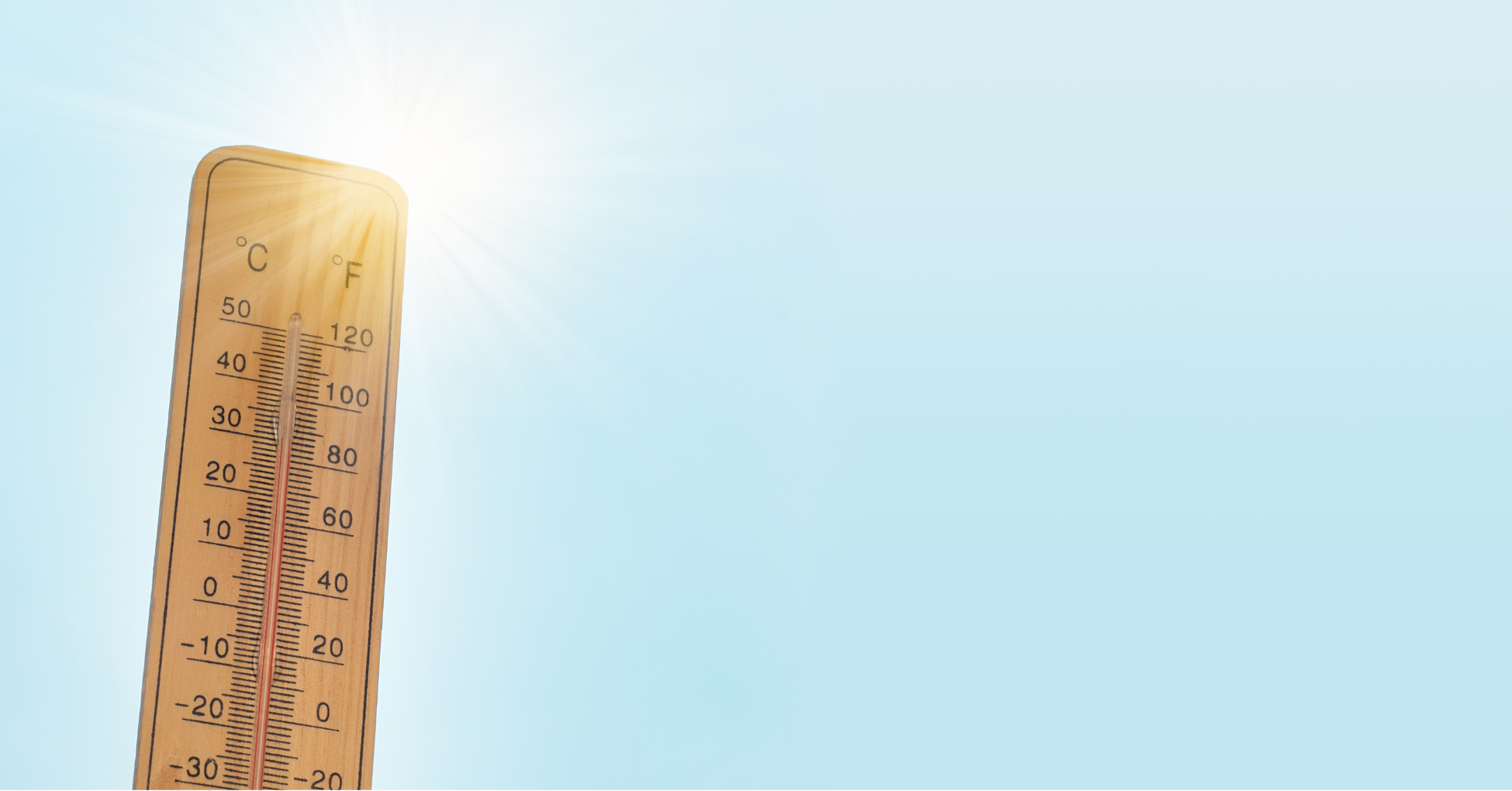
Heat Safety for Seniors: Navigating the Summer Temperatures
As summer temperatures soar, it’s easy for anyone to feel the effects of the heat. But for our senior loved ones, the summer months can be particularly challenging. With age, the body’s ability to regulate temperature and stay hydrated becomes less efficient. This, combined with certain medications, makes seniors more susceptible to heat-related illnesses like heat exhaustion or even the dangerous condition of heatstroke.
The good news is that with a little knowledge and preparation, we can protect our seniors from the dangers of heat. Let’s explore proactive steps to help them stay cool, hydrated, and safe throughout the summer.
Understanding Heat Vulnerability in Seniors
Our bodies undergo several changes as we age that makes us more susceptible to heat-related illnesses. One significant factor is that our thirst sensation naturally becomes less acute over time. This means seniors can easily become dehydrated without even realizing they need fluids. Additionally, the body’s ability to cool itself decreases as we age. Seniors may not sweat as effectively, making it harder to release excess heat when temperatures rise.
Many medications commonly prescribed for seniors, such as diuretics for high blood pressure or certain heart medications, can increase dehydration risk. Others can interfere with the body’s ability to regulate temperature. Individuals with existing health issues like heart disease, lung disease, or diabetes are particularly at risk for heat-related illnesses. It’s crucial to understand how these conditions interact with extreme heat and take extra precautions.
Recognizing Signs of Heat-Related Illnesses
Knowing the early warning signs of heat-related illnesses is crucial for protecting seniors. Since seniors may not always exhibit typical symptoms, recognizing subtle changes and acting quickly can prevent serious complications.
One major heat-related illness to look out for is heat exhaustion, which occurs when the body overheats and becomes dehydrated. This a serious warning sign that further heat exposure could lead to heatstroke. Look for symptoms in seniors like heavy sweating, followed by cold and clammy skin despite the heat. They may also experience weakness, fatigue, dizziness, lightheadedness, nausea, vomiting, and muscle cramps.
Heatstroke is a life-threatening medical emergency that requires immediate attention. If you suspect heatstroke, call 911 right away. Seniors experiencing heatstroke might have a dangerously high body temperature (103°F or higher), hot, red, dry skin with little to no sweating, a rapid heartbeat and breathing, confusion, or even loss of consciousness.
It’s important to remember that seniors may not exhibit all the typical symptoms of heat-related illnesses. If you notice any significant changes in their behavior, energy levels, or mental state during hot weather, take precautions to cool them down. Don’t hesitate to seek medical advice if you’re concerned, as early intervention is crucial for their safety.
Essential Heat Safety Tips for Seniors
During summer’s peak, a few simple adjustments can help keep seniors safe and comfortable. Let’s discuss some essential tips tailored to their needs.
Stay Hydrated
Staying hydrated is absolutely crucial for seniors during hot weather. Dehydration can worsen existing health conditions, increase the risk of heat-related illnesses, and generally diminish well-being. Encourage good hydration practices by offering fluids regularly throughout the day. Don’t wait for seniors to ask for a drink – keep water bottles handy and offer water, diluted juices, or other hydrating beverages at regular intervals.
Consider making hydration more appealing by adding slices of fruit, fresh herbs, or a splash of juice to plain water. Herbal teas, ice pops, and even water-rich fruits offer alternative ways to get fluids. Even with proactive measures, seniors can still get dehydrated, so look out for signs like dry mouth, fatigue, decreased urination, dark-colored urine, or confusion, and seek medical advice if necessary.
Dress Appropriately
Choosing the right clothing can make a significant difference in how seniors feel on hot days. Start with lightweight, breathable fabrics like cotton, linen, and moisture-wicking materials. These fabrics allow for better airflow and the evaporation of sweat, preventing heat build-up close to the body.
Also, focus on loose-fitting styles. Avoid tight-fitting clothes that can trap heat against the skin. Instead, opt for flowy styles that allow for air circulation, keeping seniors cooler. Finally, lighter colors reflect the sun’s rays, helping the wearer stay cooler compared to darker colors which absorb heat. Consider swapping darker garments for lighter shades to minimize heat absorption.
Manage Indoor Environments
Creating a cool, comfortable indoor environment is key for seniors during hot weather. There are several ways to keep their living spaces cool and minimize their exposure to heat. While fans create air movement and help with cooling, air conditioning offers the most effective way to lower indoor temperatures. If your loved one has A/C, ensure it’s properly maintained. If they rely on fans, consider placing them strategically for optimal air circulation.
Another simple yet effective step is to block direct sunlight during peak hours by closing blinds, shades, or curtains. This helps prevent a greenhouse effect indoors. If your loved one’s home has multiple floors, encourage them to spend time in the basement or ground floor on particularly hot days, as these areas tend to be naturally cooler.
Limit Exposure to Peak Sun
The sun’s intensity peaks during the hottest part of the day, usually between 10 am and 4 pm. To minimize exposure to the hottest conditions, it’s best to schedule any necessary outdoor errands or activities for the cooler morning or evening hours.
If spending time outdoors is unavoidable during hotter hours, encourage your loved one to take frequent rest breaks in the shade. Wearing a wide-brimmed hat can also offer additional protection from the sun’s rays. Most importantly, remind your loved one to listen to their body. Encourage them to come indoors and rest if they feel overheated, unwell, or lightheaded.
A Collective Effort in Heat Protection
In the end, protecting seniors from the dangers of heat is a collective effort. Family, caregivers, neighbors, and communities all play a role. Check in on the older adults in your life, especially during heat waves, offer assistance with hydration or errands, and remind them of heat safety strategies.
If you’re looking for more ways to support the seniors in your life, or need help navigating complex aspects of senior care, Reflections Management and Care is here for you! Reach out today to learn more about our services and how we can help.