Why Last-Minute Hospital Discharges Create Risk at Home
It happens more often than most people realize. A parent or loved one is hospitalized, the family is still processing what happened, and then, sometimes within hours, they’re told the patient is ready to be discharged.
“Discharged to where?” is a question many families find themselves asking in a state of mild panic. The hospital says home. But what does that actually look like when nobody has had time to prepare?
This scenario plays out constantly, and the consequences are more serious than most people appreciate. According to Medicare data, nearly one in five patients is readmitted within 30 days of a hospital discharge. A significant number of those readmissions are preventable, linked directly to gaps in the transition home.
Why Hospital Discharges Happen So Fast
Hospitals are under financial and operational pressure to move patients through as efficiently as possible. Once a patient is deemed medically stable, the discharge process begins, sometimes before the family has been fully briefed on what comes next.
That doesn’t mean the hospital doesn’t care. It means the system is built for acute medical treatment, not for managing what happens after. And the gap between “medically stable” and “safe at home” can be enormous.
What Families Are Left to Figure Out
When a discharge happens quickly, families often end up responsible for things they weren’t expecting and aren’t prepared for.
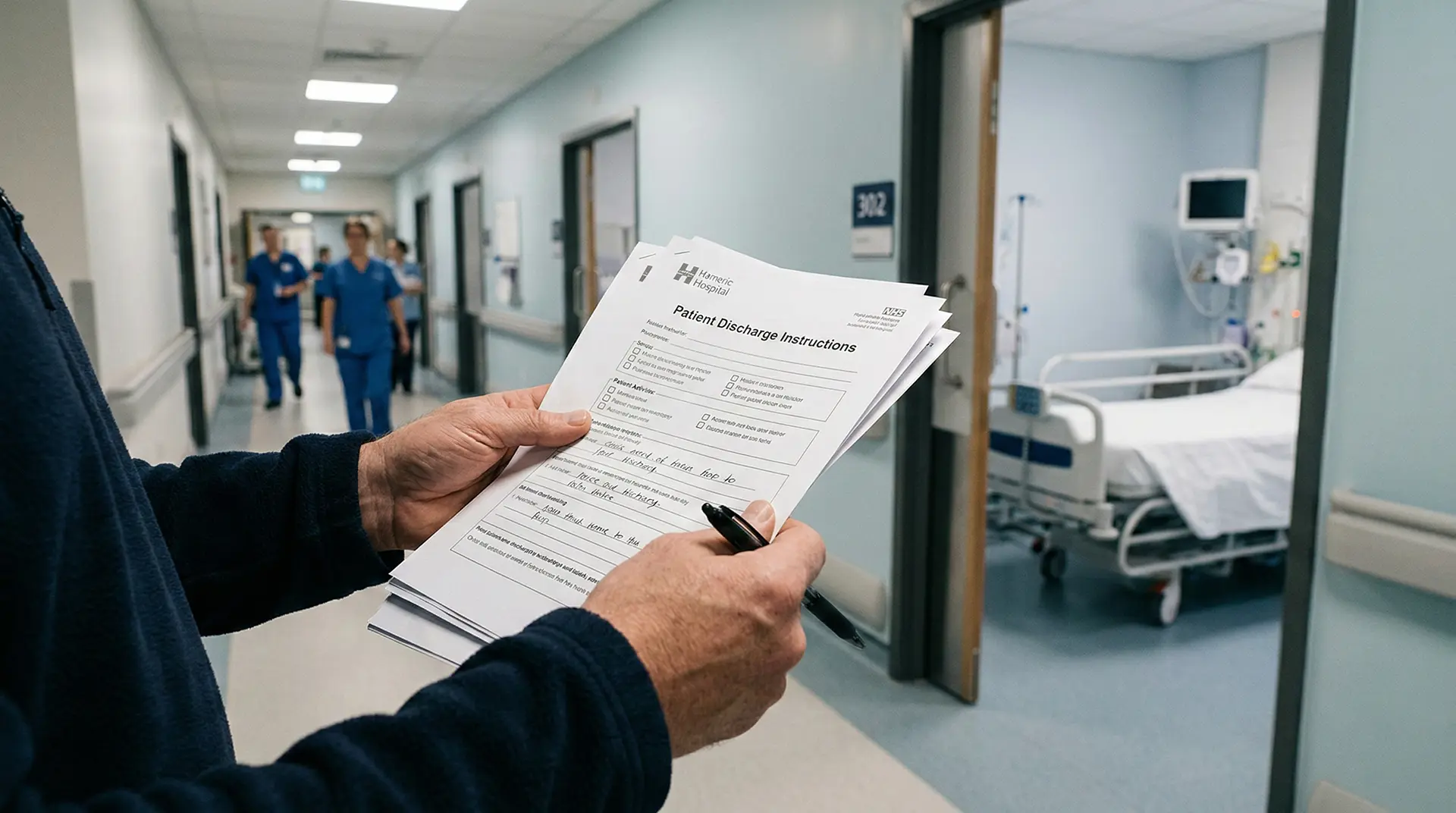
Medication changes. Hospitals frequently adjust medications during a stay, adding new ones, changing dosages, or discontinuing some entirely. Families receive a printed list at discharge, but translating that into an actual medication routine at home, especially when the patient was already on multiple prescriptions, is confusing and error-prone.
Follow-up appointments. Discharge instructions typically include follow-up appointments that need to be scheduled, sometimes within days. If the family doesn’t act immediately, those appointments slip, and the patient misses critical check-ins during the most vulnerable window.
Physical limitations. A few days in a hospital bed can significantly reduce an older adult’s strength and mobility. A parent who was walking independently before the hospitalization may now need assistance getting around the house, using the bathroom, or getting in and out of bed. If the home isn’t set up for that, the risk of a fall is immediate.
Equipment needs. Walkers, shower chairs, hospital beds, oxygen equipment. These items are sometimes mentioned in discharge paperwork but left to the family to source and set up, often on the same day the patient comes home.
Related reading: The Most Crucial Aging in Place Home Modifications
The Most Dangerous Window
The first 72 hours after a hospital discharge are the highest-risk period. The patient is adjusting to being home. Medications are changing. Physical capacity may be diminished. And the family is often exhausted and overwhelmed from the hospital stay itself.
This is when falls happen. This is when medication errors occur. This is when a patient’s condition deteriorates because a symptom that should have triggered a call to the doctor was missed or dismissed.
Families who have a plan in place before a discharge, or who can get one in place quickly after, navigate this window much more safely than those who are improvising in real time.
What Families Can Do to Reduce the Risk
Ask questions before discharge. Don’t let the discharge process happen to you. Ask the hospital social worker or discharge planner to walk you through every aspect of the plan. What medications are changing? What follow-up is needed and by when? What physical limitations should you expect? What equipment needs to be in the home?
Request a home health evaluation. In many cases, hospitals can arrange for home health services, such as a visiting nurse, physical therapy, or an aide, to begin within days of discharge. Ask whether your loved one qualifies.
Do a quick home safety check. Before your loved one comes home, walk through the house and address obvious risks. Clear pathways, check lighting, remove loose rugs, and make sure the bathroom has grab bars or at least a non-slip mat.
Set up medication management immediately. Don’t wait to sort out the new medication routine. Sit down the same day and organize everything. Use a pill organizer, write out the schedule, and if anything is confusing, call the prescribing doctor or pharmacist before the next dose is due.
Related reading: Medication Management for Seniors: 10 Essential Tips
Get professional support if you can. A care manager can step in during a hospital discharge and handle the coordination that families often can’t manage on their own, reconciling medications, scheduling follow-ups, arranging home care, and making sure nothing falls through the cracks. This is one of the most valuable times to have a professional in your corner.
Planning Before It’s Urgent
The best time to think about hospital discharge risks is before a hospitalization happens. That might sound like circular logic, but it’s exactly the kind of proactive planning that makes a real difference.
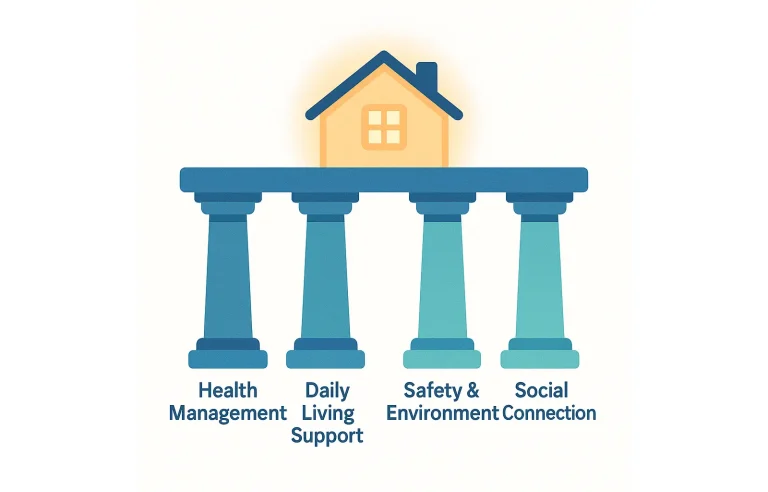
If your loved one has a chronic condition, recurring health issues, or is simply at an age where a hospitalization is more likely, having a framework in place, a care manager, a list of home care options, an updated medication list, a home that’s already been modified for safety, turns a potential crisis into a manageable transition.
At Reflections Management and Care, we help families in Central New York prepare for exactly these situations. Whether you’re in the middle of a discharge right now or you want to plan ahead, we’re here to help.
Reach out to our team at Reflections Management and Care. The earlier you start, the smoother it goes.
If your loved one is coming home from the hospital and needs in-home support, Reflections Home Care Registry can help connect you with experienced caregivers quickly.