Pain Awareness Month: Understanding Pain in Seniors
For many seniors, pain isn’t just an occasional ache or twinge. It’s a constant companion, impacting their everyday life and well-being.
September, recognized as Pain Awareness Month, is a good time to remember that seniors are particularly vulnerable to the challenges of chronic pain. While some aches and pains might be more common as we age, that doesn’t mean they have to control our quality of life. Let’s take a closer look at how pain affects seniors in every aspect of their lives.
The Prevalence of Pain Among Older Adults
Pain, particularly chronic pain, is a widespread issue among older adults. The National Institutes of Health (NIH) reports that 65% of US adults over the age of 65 experience pain, and this number rises even higher for those in nursing homes or assisted living facilities. This means millions of older adults are grappling with daily discomfort, limiting their ability to fully enjoy life.
Pain Awareness Month serves as an important reminder that this is a widespread issue in the senior population. Unfortunately, many older adults may be hesitant to report pain due to various factors, such as a fear of being perceived as complaining or a belief that pain is simply an inevitable part of aging. This can lead to underreporting and inadequate treatment, resulting in unnecessary suffering.
Common Causes of Pain in Seniors
Understanding the potential causes of pain in seniors is an important first step toward finding effective relief. While pain can arise from a variety of sources, some are more common in older adults due to the aging process and increased risk of certain health conditions. Let’s take a closer look at some common culprits.
Age-Related Changes
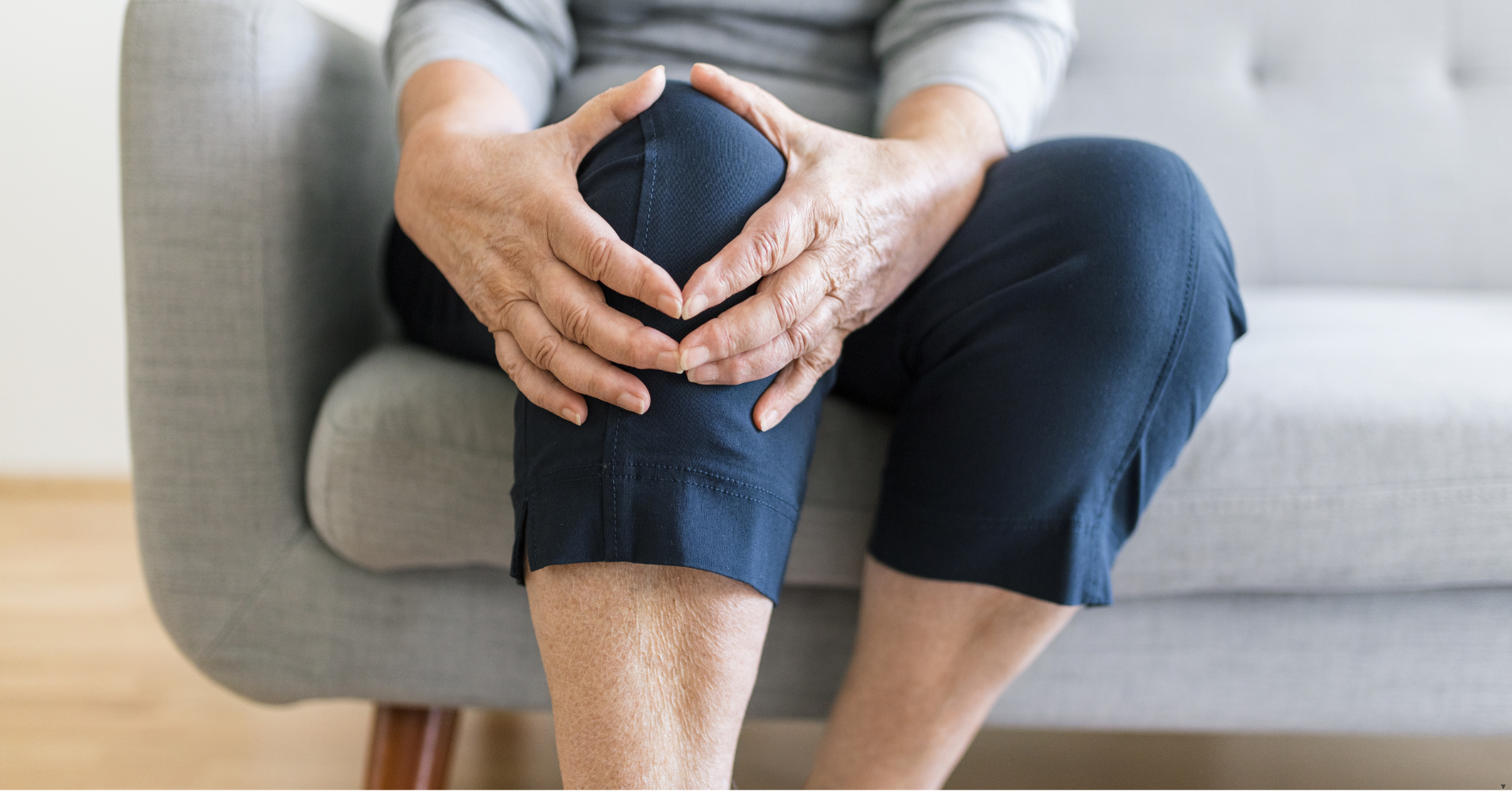
The wear and tear on joints and tissues over time is a natural part of aging, but it can lead to various aches and pains. Osteoarthritis, the most common form of arthritis, occurs when the protective cartilage in joints wears down. This can cause inflammation, stiffness, and pain, most often in the knees, hips, hands, and spine.
In addition to joint issues, aging can also lead to a gradual weakening of muscles and a decrease in bone density (osteoporosis). These changes can make seniors more susceptible to injuries and pain from even minor strains or falls. Maintaining muscle strength and bone health through exercise and proper nutrition is crucial for minimizing pain associated with these age-related changes.
Chronic Medical Conditions
Seniors are more likely to live with chronic medical conditions that can cause or exacerbate pain. Diabetes, for instance, can cause nerve damage (neuropathy) that leads to chronic pain, often felt as burning, tingling, or numbness in the hands and feet.
Another chronic condition, heart disease, can cause angina – chest pain or discomfort caused by reduced blood flow to the heart. This pain can radiate to the arms, neck, or jaw, and its intensity can range from mild to severe. Lastly, cancer, whether it’s the disease itself or the side effects of treatment, can also cause a variety of pain types, including nerve pain, muscle pain, and bone pain. Managing pain is a crucial aspect of cancer care, as it can significantly impact a senior’s quality of life.
Acute Injuries and Surgeries
Older adults are more susceptible to falls and accidents, which can lead to acute pain from fractures, sprains, or other injuries. Falls can result in broken bones, particularly in the hip, wrist, or spine, causing severe pain and requiring medical attention. Even minor falls can lead to soft tissue injuries like sprains or strains that cause significant pain and limit mobility.
Post-surgical pain is another common issue among seniors, particularly those undergoing joint replacements, back surgeries, or other procedures. While this type of pain is usually temporary, it can be intense and require careful management with a combination of medication, physical therapy, and other interventions.
The Wide-Ranging Impact of Pain on Seniors
Pain, especially when it becomes chronic, can cast a wide net of consequences on a senior’s life, affecting them not only physically, but also emotionally, mentally, and socially. This ripple effect can drastically reduce their overall quality of life.
Here’s a closer look at the wide-ranging effects pain can have on seniors:
- Physical limitations: Pain can limit mobility, making it difficult or impossible to engage in activities once enjoyed, such as gardening, walking, or even basic household tasks. This loss of physical function can lead to further health complications and a decline in independence.
- Emotional distress: Chronic pain is closely linked to depression, anxiety, and social withdrawal. The constant discomfort and frustration can wear down even the most optimistic spirit, leading to feelings of hopelessness and isolation.
- Sleep disturbances: Pain often disrupts sleep patterns, preventing seniors from getting the restful sleep they need for overall health and well-being. This can create a vicious cycle, as poor sleep can worsen pain perception and further impact mood and energy levels.
- Reduced social interaction: When pain limits mobility and saps energy, seniors may withdraw from social activities, isolating themselves from friends and family. This lack of social connection can exacerbate feelings of loneliness and depression, further impacting their quality of life.
- Cognitive decline: Chronic pain has been linked to cognitive problems like difficulty concentrating, memory issues, and even an increased risk of dementia. The stress and exhaustion associated with pain can interfere with cognitive function and overall mental clarity.
Pain Awareness and Finding Support
Pain Awareness Month reminds us that pain is not an inevitable part of aging. It’s a complex issue that requires understanding, compassion, and a proactive approach to management. By openly discussing pain with loved ones and healthcare providers, seniors can gain access to the resources and support they need to regain control and improve their quality of life.
If you or a loved one is struggling with pain, don’t hesitate to seek help. Reflections Management and Care can connect you with resources and provide guidance on pain management strategies. We offer a comprehensive approach to senior care, focusing on overall well-being and empowering seniors to live their best lives. Contact our team today to learn more!